
Droneshouston

drone roof inspection

Thermal drone roof inspection of a Houston home showing infrared heat scan
Blog

How Much Does a Thermal Drone Roof Inspection Cost in Houston?

A thermal drone roof inspection in Houston typically costs between $300 and $800. Simple single-family roofs typically start around $300–$500, while larger homes, complex rooflines, and detailed reporting move the price toward $500–$800 or more. The final figure depends on roof size, building height, access, and how much analysis and reporting you need. Hidden moisture, insulation defects, and storm-related concerns are hard to locate without walking on vulnerable roofing materials. A thermal drone roof inspection documents temperature patterns across broad roof areas without direct contact — and a property-specific quote from ISKY Drone Services can define the imagery, coverage, flight conditions, and report before work begins. Request a Thermal Roof Inspection Quote → Get Clear Thermal Roof Pricing Before You Book A thermal drone roof inspection is a non-contact assessment that combines aerial photography with infrared data to identify areas that may require closer investigation. It can help reveal patterns associated with wet insulation, thermal bridging, or inconsistent heat transfer — but the images must be interpreted in the context of weather and roof construction. Our thermal drone imaging services are built around that interpretation step, not just the raw scan. Many straightforward residential roof inspections in Houston start at approximately $300 to $500. Larger homes, complex rooflines, multiple buildings, or more detailed analysis commonly raise the price toward $500 to $800 or more. Properties elsewhere in Harris County may also incur travel or scheduling considerations depending on their location and flight requirements. A written quote should explain whether the price includes thermal capture, visual photographs, analysis, annotated findings, and a formal report. The lowest advertised price may cover only a brief flight or a limited number of images. Compare the complete scope, because collecting thermal data without interpreting or mapping it provides limited decision-making value. A custom proposal is generally more reliable for commercial buildings, multifamily communities, and estates with detached structures. It establishes the number of buildings, expected roof coverage, deliverables, and weather window before the operator arrives. Houston Property Owners Need Answers Without Roof Access Risks Houston’s Gulf Coast climate exposes roofing systems to intense solar heating, heavy rain, hail, wind, and high humidity. These conditions can create storm damage or moisture concerns that stay concealed beneath an apparently intact roof surface. Standard aerial photography records visible roof material conditions but cannot display heat patterns. Thermal imaging adds another layer by showing temperature differences that may correspond with retained moisture, uneven insulation, or air movement around vulnerable assemblies. Roof penetrations deserve particular attention because vents, skylights, plumbing stacks, exhaust systems, and HVAC curbs interrupt the continuous roofing membrane. Temperature anomalies near these features can help direct a roofer toward specific areas instead of requiring an unfocused search across the entire structure. A drone roof inspection is especially practical for steep, fragile, high, or expansive roofs that are difficult to examine on foot. Keeping personnel off questionable surfaces reduces exposure to falls and helps avoid additional damage to brittle shingles, tiles, coatings, or membranes. For roofs where surface condition is the main concern, our aerial drone inspection services can capture high-resolution detail with or without a thermal pass. A post-storm flight can document visible displacement, debris, punctures, ponding, and flashing concerns before conditions change. However, aerial documentation does not determine insurance coverage or prove that every anomaly resulted from a particular weather event. Property owners gain the most value when they use drone findings to prioritize targeted physical evaluation. The approach narrows the search area while leaving definitive diagnosis and repair recommendations to qualified roofing or building professionals. What a Thermal Drone Roof Inspection Includes A complete inspection should combine high-resolution visual aerial imagery with radiometric thermal imagery when environmental conditions support reliable data collection. Radiometric files preserve temperature information for individual pixels, giving the analyst more information than a simple colorized infrared photograph. The scope should specify roof-area coverage, image files, annotated images, turnaround time, and the format of the roof inspection report. Clear deliverables prevent confusion about whether the purchase includes raw imagery, interpreted findings, or both. Thermal roof leak detection does not directly show water passing through a roof. It identifies a temperature anomaly that may be associated with moisture retention, insulation variation, roof composition, shade, mechanical equipment, or another source requiring verification. Visual Aerial Roof Documentation Visual images can document damaged or displaced shingles, open seams, flashing concerns, debris, roof penetrations, and ponding water. These photographs create a dated condition record that homeowners, property managers, roofers, and other authorized parties can review without relying solely on written descriptions. The same high-resolution capture used for our drone photography and videography work applies here. Aerial files may also support insurance documentation, maintenance planning, or contractor discussions. They do not guarantee claim approval, establish causation, or replace documentation requested by an insurer. Infrared Findings and Reporting Infrared thermography compares emitted thermal energy across the roof surface under suitable conditions. Unusual patterns may indicate areas worth examining for trapped moisture, insulation gaps, air leakage, or differences in roof materials. The report should map each notable image to its roof location, describe relevant limitations, and recommend proportionate next steps. Responsible reporting distinguishes an observed thermal pattern from a confirmed defect, which helps prevent unnecessary repairs based on infrared data alone. What Changes the Price of Your Inspection Roof size is only one pricing variable, because flight time does not represent the entire workload. The number of structures, roof pitch, building height, material type, penetrations, roof sections, and requested image detail all affect capture and analysis time. A thermal survey normally costs more than a visual-only drone inspection. Infrared equipment, weather-dependent scheduling, radiometric analysis, image annotation, and reporting add technical requirements beyond basic photography. Travel distance, controlled airspace, rush deadlines, restricted access, safety coordination, and site-specific operating rules can also alter the quote. A commercial roof inspection may require contact with facility managers, designated launch areas, tenant coordination, or work outside busy operating periods. Typical Houston Pricing Ranges The following figures are planning ranges rather than fixed prices: Property type Typical range Notes Small, straightforward residential roof $300 – $500

drone storm damage assessment of a weathered commercial rooftop skylight in Houston
Blog

Drone Storm Damage Assessment in Houston: What to Document After a Hurricane

A drone storm damage assessment gives Houston property owners what a ground-level walk-around can’t after a hurricane. It shows the roof damage that actually decides your insurance claim. That damage usually sits on the slope you can’t see from the street. Wind-lifted shingles, missing tabs, and cracked flashing cluster on the back plane and along the perimeter. By the time a stain reaches a ceiling inside, the water has traveled well past where it got in. That gap is why aerial documentation has become the smarter first move for Houston property owners and managers. A short, planned flight captures high-resolution, time-stamped images of the whole roof. It happens before any crew starts emergency work. Adjusters increasingly want that kind of record, not a roofer’s word. Imagery captured before repairs begin is what protects the claim. This guide covers what to document and when it’s safe and legal to fly. It also shows how to build a photo set that holds up during a busy claim season. Why aerial imagery beats a ground inspection After a storm, a commercial roof is one of the worst places to send a person. Standing water hides soft spots, debris covers punctures, and wet membrane is slick. A drone maps the whole roof in a single pass and flags problems you’d otherwise miss until the next rain — without putting anyone on a ladder above an unstable surface. The evidence is also stronger. A drone captures every roof plane the same way, at full resolution, with a date and time baked into each file. When a claims adjuster reviews that set, it’s easy to tell storm-related damage from old wear, prior patches, or earlier impact marks. A quick walk-around with a phone rarely does that. If you’re weighing your options, here’s how drone roof inspections compare to a traditional roof check. What insurance adjusters actually want to see What insurance adjusters actually want to see Adjusters handle heavy caseloads after a Houston hurricane. A clear, structured set moves your claim faster than a folder of random close-ups. Aim to document: A close-up of a puncture is far stronger with context. An oblique shot proves it sits right beside a vent boot on the leeward slope. Context is what turns a photo into proof. When it’s safe and legal to fly after a storm Timing matters. Wait for stable weather and steady winds before you fly — gusty post-storm bands cause blurry footage, incomplete coverage, and lost aircraft. Treat the site as a hazard zone first: confirm the property is clear of downed power lines and unstable trees before anything leaves the ground. The legal side matters just as much. Documenting damage for an insurance claim is a commercial purpose, so it falls under the FAA’s Part 107 rules, which require a certified remote pilot. Houston sits near several major airports and busy heli routes, so airspace has to be checked every flight — even on a property you’ve flown before. After a major storm, the FAA often issues temporary flight restrictions over response and recovery zones, and those can change by the hour. If you’re hiring a pilot, ask how they handle airspace and NOTAM checks. For seasonal context, the National Hurricane Center tracks Gulf activity through the season, which runs June into November and peaks in late summer. Your first 24–72 hours: a documentation plan The window right after a storm is when your evidence is strongest. A simple, repeatable order keeps the set complete: That last step does more than it looks like. A one-page index that maps “north slope, mid-field — shingle lift” to an exact filename cuts adjuster back-and-forth and speeds re-inspections. What a drone can — and can’t — detect A drone storm damage assessment is excellent at catching the visible, wind-driven damage that hurricanes cause: missing and lifted shingles, punctures, displaced ridge caps, bent drip edge, and gutter separation. The imagery shows how that damage tracks along edges and corners, where wind pressure concentrates. With sharp, close, well-lit passes, a drone can even reveal impact marks and granule loss. What a drone can’t do is confirm what’s already inside the roof. A slope can look fine from above while water is sitting in the insulation or decking. When you see ceiling stains, bubbling paint, or a musty smell, pair the aerial set with an attic check and moisture readings. Drone thermal imaging can confirm where a leak entered, and our thermal imaging servicesare built for exactly that kind of follow-up. Aerial imagery is one part of a complete storm-damage record, not the whole thing. DIY vs. hiring a Part 107 pilot A homeowner-grade drone can give you a quick look, and you’re allowed to fly your own property if you can do it safely and legally. The common DIY gap is coverage: edges, gutters, and flashing transitions get skipped, resolution runs too low to prove shingle condition, and metadata gets stripped by filters or re-saving. A professional flight is more likely to deliver systematic, repeatable coverage with clean, unedited originals — the kind of package that matches how adjusters review a claim. For commercial documentation, a Part 107-certified pilot is often required outright, and the liability of flying near people, traffic, and damaged structures makes controlled flight paths worth paying for. The same logic applies to a full commercial building drone inspection, where scale and access make a professional set the practical choice. Documentation mistakes that weaken a claim A few avoidable errors do the most damage to a storm claim: Frequently asked questions How much does a drone roof inspection cost in Houston? Pricing depends on roof size, access, and deliverables. Basic photo-and-video capture often starts in the low hundreds, while multi-building campuses or annotated claim reports run higher. Is a drone storm damage assessment worth it? After a hurricane, usually yes. It documents hard-to-see slopes safely and quickly, and the time-stamped, before-repairs record is what tends to reduce disputes over storm-related versus pre-existing damage. Can I inspect my own roof with a drone? You can if you can fly

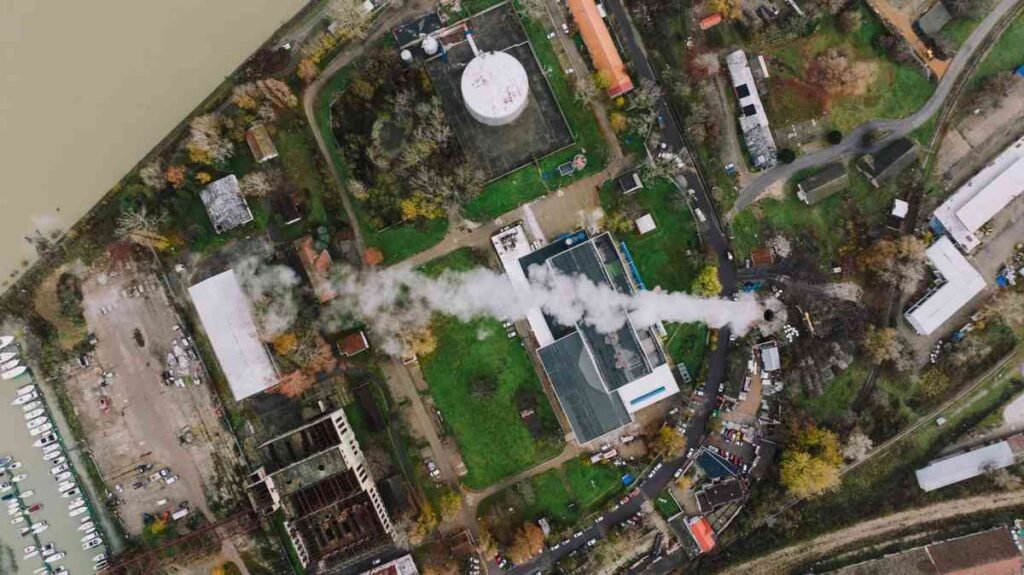
Commercial drone inspection of an industrial facility and surrounding property from above
Blog

When a Commercial Building Needs a Drone Inspection in Houston

Roof failures often start as small exterior defects, not dramatic leaks, and that is why many commercial owners miss the cheapest repair window. For anyone evaluating When Does a Commercial Building Need a Drone Inspection? The practical answer usually comes down to whether the building needs safer access, faster documentation, or clearer evidence than ground-level observation can provide. In Houston, that question matters more because heat, humidity, storm exposure, and large low-slope roofs accelerate hidden wear. This guide explains the clearest triggers, what drone inspections actually capture, and where aerial evidence fits into maintenance, insurance, and capital planning. How To Tell If a Drone Inspection Is the Right Next Step A drone roof inspection is a remote exterior review that uses aerial imagery, video, and time-stamped photos. It documents roofs, facades, and site features without sending people onto every surface. The real value is systematic data collection. A commercial drone inspection creates a repeatable record instead of relying on a few snapshots taken from a ladder. A drone is usually the right next step when access is risky, slow, disruptive, or incomplete from the ground. Commercial teams benefit from broader roof visibility and safer review of elevated walls. They also gain documentation that can be compared over time. This helps track blistering, movement, and moisture-related changes. The selection process is straightforward. Use drones when safety improves, coverage expands, documentation quality matters, or speed is important. Repeatable records also support better long-term planning. In practice, a commercial drone inspection is especially useful for large roofs, multi-tenant properties, active facilities, and buildings where traditional access could interrupt operations before a problem is confirmed. What a Drone Inspection Can (and Cannot) Do A drone inspection can capture high-resolution views of hard-to-reach areas and produce annotated imagery that supports maintenance planning, insurance files, and contractor scoping. It is a strong first-pass tool because it is non-destructive testing in the practical sense of observing conditions without cutting into assemblies or adding roof traffic. A drone inspection cannot replace every hands-on method. Weather limitations, airspace constraints, and line-of-sight rules can affect scheduling, and some conditions still require physical verification, moisture testing, or close contact with details such as flashing terminations, drains, and downspouts. Houston-Specific Reasons Drone Inspections Matter More Houston buildings face a harsher exterior maintenance cycle than properties in milder climates. Hurricane exposure, tropical storms, hail, high UV levels, and humidity all accelerate exterior deterioration. As a result, damage often develops in multiple areas. A commercial drone inspection can reveal ponding water, clogged roof drains, and membrane stress before tenants report leaks. Flat and low-slope roofs are common across Houston commercial properties. Unfortunately, drainage failures are often difficult to identify from the ground. A drone can detect standing water patterns, blocked outlets, and surface wear without repeated ladder setups. This approach reduces roof traffic and minimizes disruption to building operations. Business continuity is another advantage of a commercial drone inspection. In occupied offices, retail centers, warehouses, and industrial facilities, less lift staging and manual access means less interference with parking, loading zones, and tenant circulation. Local Areas Where Access Challenges Are Common In Downtown Houston, Midtown Houston, and Uptown corridors near The Galleria, exterior access can be constrained by traffic, limited staging space, and pedestrian activity. Close-up capture from a drone helps teams inspect parapets, facade joints, and rooftop edges without turning a simple review into a lift logistics project. Large-footprint properties in the Energy Corridor, Westchase, and the Port of Houston area benefit for a different reason: scale. Aerial coverage is efficient on warehouses, campuses, and industrial buildings where walking every roof section can consume hours before anyone identifies the highest-risk zones. Trigger #1: After Major Weather Events and Suspected Damage After a storm, a drone inspection is often the fastest way to determine whether visible calm is hiding real storm damage. Wind uplift, hail damage, debris strikes, displaced HVAC equipment, and loosened curb flashing can all occur without producing immediate interior symptoms. Ground-level observation is not enough after severe weather because small failures often become leaks days or weeks later. That delay matters operationally because early documentation can reduce business disruption, support repair prioritization, and preserve evidence before temporary patches alter the original condition. The best timing is as soon as the site is safe and access conditions are stable. If possible, capture the roof before temporary repairs change the damage pattern, since early imagery often becomes the clearest record of causation. What to Look For in the Aerial Findings The most important roof findings include seam separation, blisters, punctures, edge lift, exposed substrate, and stress around penetrations. Those details matter because membrane failure often starts at transitions, not in the middle of an open field. Drainage issues deserve equal attention, especially after Houston rain events. Look for ponding, clogged scuppers, blocked gutters, overflow paths at downspouts, and water collecting near parapets, since those patterns often explain later leaks in retail and office properties near dense districts such as The Galleria. Trigger #2: Preventive Maintenance Before Problems Appear The most cost-effective drone inspections often occur before problems become urgent. Baseline aerial documentation creates a visual record of the property. It helps facility teams identify cracking, movement, drainage changes, and surface wear over time. A commercial drone inspection makes it easier to compare conditions across multiple inspection cycles. Historical comparisons turn a drone into a valuable maintenance tool. Small membrane splits, early facade cracks, and minor drainage issues are usually less expensive to repair when found early. Delayed action can lead to interior damage, emergency repairs, and a shorter roof lifespan. A practical inspection schedule depends on the property. Many newer buildings benefit from annual inspections. Older roofs, storm-exposed sites, and properties with recurring drainage concerns may benefit from semiannual reviews. Post-storm inspections can then supplement the baseline documentation rather than replace it. Systems Commonly Checked During Preventive Flights Preventive flights commonly review rooftop units, HVAC curbs, exposed penetrations, loose panels, and visible condenser damage. Rooftop mechanical zones fail faster than open roof

Scroll to Top