
Roof failures often start as small exterior defects, not dramatic leaks, and that is why many commercial owners miss the cheapest repair window. For anyone evaluating When Does a Commercial Building Need a Drone Inspection? The practical answer usually comes down to whether the building needs safer access, faster documentation, or clearer evidence than ground-level observation can provide.
In Houston, that question matters more because heat, humidity, storm exposure, and large low-slope roofs accelerate hidden wear. This guide explains the clearest triggers, what drone inspections actually capture, and where aerial evidence fits into maintenance, insurance, and capital planning.
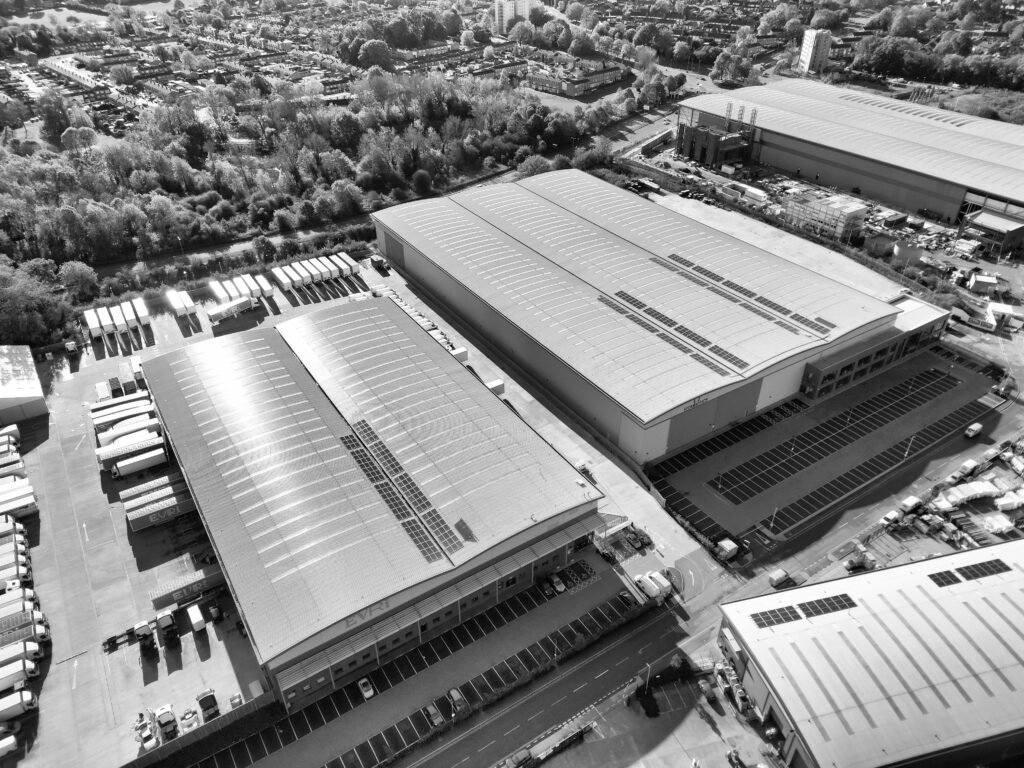
How To Tell If a Drone Inspection Is the Right Next Step
A drone roof inspection is a remote exterior review that uses aerial imagery, video, and time-stamped photos. It documents roofs, facades, and site features without sending people onto every surface. The real value is systematic data collection. A commercial drone inspection creates a repeatable record instead of relying on a few snapshots taken from a ladder.
A drone is usually the right next step when access is risky, slow, disruptive, or incomplete from the ground. Commercial teams benefit from broader roof visibility and safer review of elevated walls. They also gain documentation that can be compared over time. This helps track blistering, movement, and moisture-related changes.
The selection process is straightforward. Use drones when safety improves, coverage expands, documentation quality matters, or speed is important. Repeatable records also support better long-term planning.
In practice, a commercial drone inspection is especially useful for large roofs, multi-tenant properties, active facilities, and buildings where traditional access could interrupt operations before a problem is confirmed.
What a Drone Inspection Can (and Cannot) Do
A drone inspection can capture high-resolution views of hard-to-reach areas and produce annotated imagery that supports maintenance planning, insurance files, and contractor scoping. It is a strong first-pass tool because it is non-destructive testing in the practical sense of observing conditions without cutting into assemblies or adding roof traffic.
A drone inspection cannot replace every hands-on method. Weather limitations, airspace constraints, and line-of-sight rules can affect scheduling, and some conditions still require physical verification, moisture testing, or close contact with details such as flashing terminations, drains, and downspouts.
Houston-Specific Reasons Drone Inspections Matter More
Houston buildings face a harsher exterior maintenance cycle than properties in milder climates. Hurricane exposure, tropical storms, hail, high UV levels, and humidity all accelerate exterior deterioration. As a result, damage often develops in multiple areas. A commercial drone inspection can reveal ponding water, clogged roof drains, and membrane stress before tenants report leaks.
Flat and low-slope roofs are common across Houston commercial properties. Unfortunately, drainage failures are often difficult to identify from the ground. A drone can detect standing water patterns, blocked outlets, and surface wear without repeated ladder setups. This approach reduces roof traffic and minimizes disruption to building operations.
Business continuity is another advantage of a commercial drone inspection. In occupied offices, retail centers, warehouses, and industrial facilities, less lift staging and manual access means less interference with parking, loading zones, and tenant circulation.
Local Areas Where Access Challenges Are Common
In Downtown Houston, Midtown Houston, and Uptown corridors near The Galleria, exterior access can be constrained by traffic, limited staging space, and pedestrian activity. Close-up capture from a drone helps teams inspect parapets, facade joints, and rooftop edges without turning a simple review into a lift logistics project.
Large-footprint properties in the Energy Corridor, Westchase, and the Port of Houston area benefit for a different reason: scale. Aerial coverage is efficient on warehouses, campuses, and industrial buildings where walking every roof section can consume hours before anyone identifies the highest-risk zones.
Trigger #1: After Major Weather Events and Suspected Damage
After a storm, a drone inspection is often the fastest way to determine whether visible calm is hiding real storm damage. Wind uplift, hail damage, debris strikes, displaced HVAC equipment, and loosened curb flashing can all occur without producing immediate interior symptoms.
Ground-level observation is not enough after severe weather because small failures often become leaks days or weeks later. That delay matters operationally because early documentation can reduce business disruption, support repair prioritization, and preserve evidence before temporary patches alter the original condition.
The best timing is as soon as the site is safe and access conditions are stable. If possible, capture the roof before temporary repairs change the damage pattern, since early imagery often becomes the clearest record of causation.
What to Look For in the Aerial Findings
The most important roof findings include seam separation, blisters, punctures, edge lift, exposed substrate, and stress around penetrations. Those details matter because membrane failure often starts at transitions, not in the middle of an open field.
Drainage issues deserve equal attention, especially after Houston rain events. Look for ponding, clogged scuppers, blocked gutters, overflow paths at downspouts, and water collecting near parapets, since those patterns often explain later leaks in retail and office properties near dense districts such as The Galleria.
Trigger #2: Preventive Maintenance Before Problems Appear
The most cost-effective drone inspections often occur before problems become urgent. Baseline aerial documentation creates a visual record of the property. It helps facility teams identify cracking, movement, drainage changes, and surface wear over time. A commercial drone inspection makes it easier to compare conditions across multiple inspection cycles.
Historical comparisons turn a drone into a valuable maintenance tool. Small membrane splits, early facade cracks, and minor drainage issues are usually less expensive to repair when found early. Delayed action can lead to interior damage, emergency repairs, and a shorter roof lifespan.
A practical inspection schedule depends on the property. Many newer buildings benefit from annual inspections. Older roofs, storm-exposed sites, and properties with recurring drainage concerns may benefit from semiannual reviews. Post-storm inspections can then supplement the baseline documentation rather than replace it.
Systems Commonly Checked During Preventive Flights
Preventive flights commonly review rooftop units, HVAC curbs, exposed penetrations, loose panels, and visible condenser damage. Rooftop mechanical zones fail faster than open roof fields because service activity, vibration, and concentrated penetrations create more opportunities for water entry.
The building envelope also benefits from periodic aerial review. Inspectors often look at facade joints, sealant failure, parapet caps, coping, and signage attachments because envelope defects can channel water into walls long before interior staining appears.
Trigger #3: Before a Property Transaction, Lease, or Capital Planning Decision
A property transaction is one of the clearest moments to order a drone inspection because exterior defects directly affect negotiation, reserves, and repair timing. Roof condition documentation gives buyers, lenders, landlords, and tenants a faster way to understand visible risk without waiting for every stakeholder to visit the roof.
For lease planning and capital budgeting, imagery helps teams rank repair priorities by section, elevation, and severity. That matters because a visual record supports phased planning, allowing owners to separate immediate corrective work from longer-term replacement strategy.
Drones also reduce time on-site for dispersed decision makers. Shared visuals improve transparency because everyone can review the same evidence instead of relying on conflicting verbal descriptions.
What Stakeholders Typically Want Documented
Most stakeholders want roof condition documentation covering surface wear, penetrations, parapets, flashing, and rooftop equipment condition. Those elements influence both near-term repair cost and the credibility of reserve assumptions.
They also want facade deterioration patterns and likely water entry points around windows, joints, and transitions. Exterior failures often cluster at interfaces, so documenting those zones helps connect visible defects to future maintenance exposure.
Trigger #4: Insurance Documentation, Claims Support, and Dispute Prevention
Insurance documentation is stronger when it is systematic, time-stamped, and easy to compare across dates. In an insurance claim, wide coverage plus consistent image sequencing can reduce disputes about whether damage was sudden, pre-existing, localized, or widespread.
Pre-loss baseline documentation and post-loss damage documentation serve different purposes. A baseline establishes prior condition, while post-event imagery supports the claim narrative by showing what changed after a storm, impact, or equipment-related incident.
Useful files usually include overview shots and close detail images. That combination matters because insurers, adjusters, and consultants need context as well as proof of specific defects.
How To Make Drone Documentation More Useful
Consistent flight paths and clear photo labels make comparisons more reliable. When the same roof quadrants, penetrations, drainage points, and facade elevations are captured each time, change detection becomes easier and less subjective.
Documentation should include both overview shots and detail views. A broad image shows the damage field, while close images show the failure mechanism that supports repair scope or claim review.
What a Commercial Drone Inspection Typically Captures (and Common Defects)
A typical commercial drone inspection captures high-resolution photos, video, annotated findings, and sometimes roof maps or orthomosaics. For larger sites, mapping outputs can support maintenance planning in ways that simple handheld photos cannot, which is why related workflows such as construction drone mapping houston and drone progress monitoring houston construction have become more common.
Common defects include membrane puncture, seam failure, flashing gaps, ponding, corrosion, loose coping, facade cracking, and fastener-related distress. The coverage advantage is significant because drones can review awkward corners, roof edges, and elevated wall areas that a traditional roof inspection may only sample selectively.
Why Traditional Methods Miss Issues
Ground views are limited, and roof walks are rarely comprehensive on large or fragile surfaces. Safety constraints near edges, skylights, and deteriorated sections often force selective paths, which means some defects are never seen during the first visit.
Access equipment also adds delay and disruption. Lifts, scaffolding, and roof entry coordination can slow response, while a drone-first review often clarifies whether more invasive follow-up is actually necessary, as discussed in drone roof inspections houston and drone roof leak detection houston.
Safety and Compliance in Houston: FAA Rules and Practical Limits
For commercial use, the pilot generally needs FAA Part 107 compliance, and that matters to commercial property managers because regulatory responsibility does not disappear just because the aircraft is small. A qualified operator is better positioned to manage airspace restrictions, site hazards, and documentation procedures that affect both legality and usefulness.
Weather and site conditions also set practical limits. Wind, rain, poor visibility, crowded ground conditions, and nearby airports or heliports can require delays or added planning, especially in dense Houston corridors.
Some sites simply need more coordination than others. Buildings near controlled airspace, event activity, or sensitive infrastructure may still be inspectable, but the schedule and flight plan should reflect those constraints.
Texas Considerations: Privacy and Real Estate Guidance
Privacy concerns are real, even on commercial sites. Responsible inspections focus on the subject property and avoid unnecessary capture of neighboring spaces, vehicles, or occupants.
Texas real estate guidance has also emphasized compliant, limited-purpose roof viewing. That matters because useful inspection evidence does not require broad surveillance, only disciplined documentation of the property at issue.
Quick Comparison: Drone Inspection vs. Traditional Roof/Facade Inspection
A drone-based facade inspection or roof review is usually safer and faster for initial documentation, while a traditional roof inspection remains necessary when the scope requires touch, testing, or repair. The right choice depends less on technology preference and more on the decision the building team needs to make.
| Method | Safety risk | Speed | Disruption | Documentation quality | Access coverage |
|---|---|---|---|---|---|
| Drone inspection | Lower for elevated review | Fast | Low | High visual record | Broad exterior coverage |
| Traditional roof inspection | Higher for elevated access | Slower | Moderate to high | Variable unless heavily documented | Limited by physical access |
Traditional access still wins when the job requires core cuts, moisture meters, hands-on verification, or direct repair. For many Houston properties, the balanced approach is drone-first for rapid evidence and targeted follow-up after issues are confirmed, which aligns with roof inspections houston drone vs traditional as a decision framework.
Decision Checklist for Facility Teams
Choose drone-first when the roof is steep, high, restricted, recently exposed to severe weather, or when fast visual evidence is the main need. It is also a strong option when stakeholders need repeatable documentation across dates.
Choose hands-on first when active leaks require interior-to-exterior diagnosis or when code, engineering, or repair scope demands physical verification. The most effective programs use both methods in sequence rather than treating them as substitutes.
FAQs
Can you use a drone to spy on someone’s commercial property in Texas?
Using a drone to intentionally surveil people or capture unnecessary imagery can create privacy and legal issues. Responsible inspections should stay focused on the subject property and comply with Texas law and FAA rules.
Can I fly my drone if I’m 800 ft above ground on a building?
FAA rules generally limit drones to 400 feet above ground level, with some exceptions near structures. A Part 107 pilot should confirm the exact rule, distance allowance, and local airspace requirements before flying.
What is a drone inspection?
A drone inspection uses an unmanned aircraft to capture aerial photos, video, and sometimes mapped imagery of roofs, facades, and exterior conditions. It helps teams document issues safely and efficiently.
What is considered commercial use for a drone?
Commercial use generally means flying for a business purpose, such as inspections, maintenance documentation, or insurance support. In most cases, that means FAA Part 107 compliance applies.
A commercial building usually needs a drone inspection when the key question is not just “Is there damage?” but “How quickly can we document the full exterior condition with minimal risk and disruption?” In Houston, that threshold arrives often: after storms, before transactions, during preventive maintenance cycles, and whenever better evidence can prevent a small defect from becoming a capital problem.
If you’re unsure whether your property needs a drone inspection, a professional aerial assessment can quickly document roof conditions, exterior defects, storm damage, and maintenance concerns without disrupting operations. Drones Houston provides commercial drone inspections throughout Houston for property owners, facility managers, contractors, and real estate professionals.