Droneshouston

Author name: Eddie

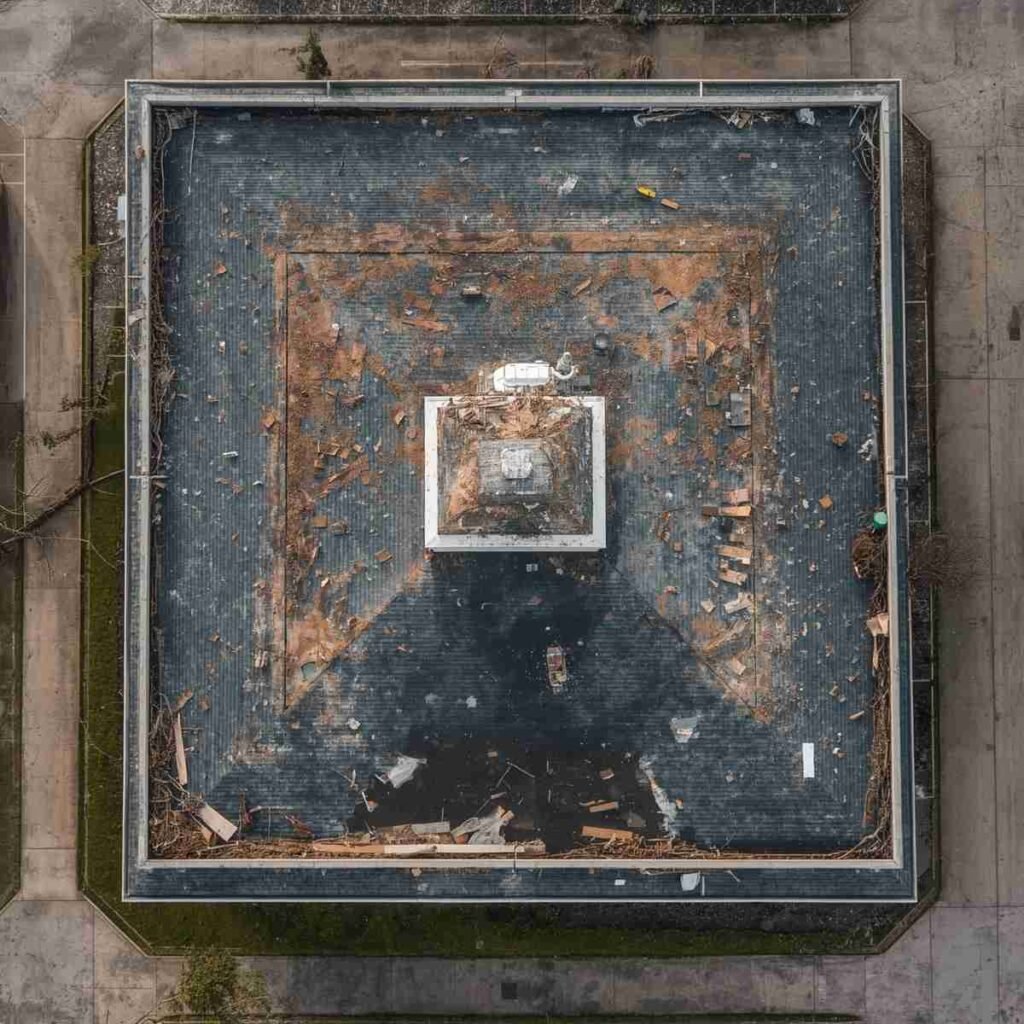
roof inspections Houston drone aerial image of residential property
Blog

Drone Roof Inspections vs. Traditional Roof Inspections in Houston

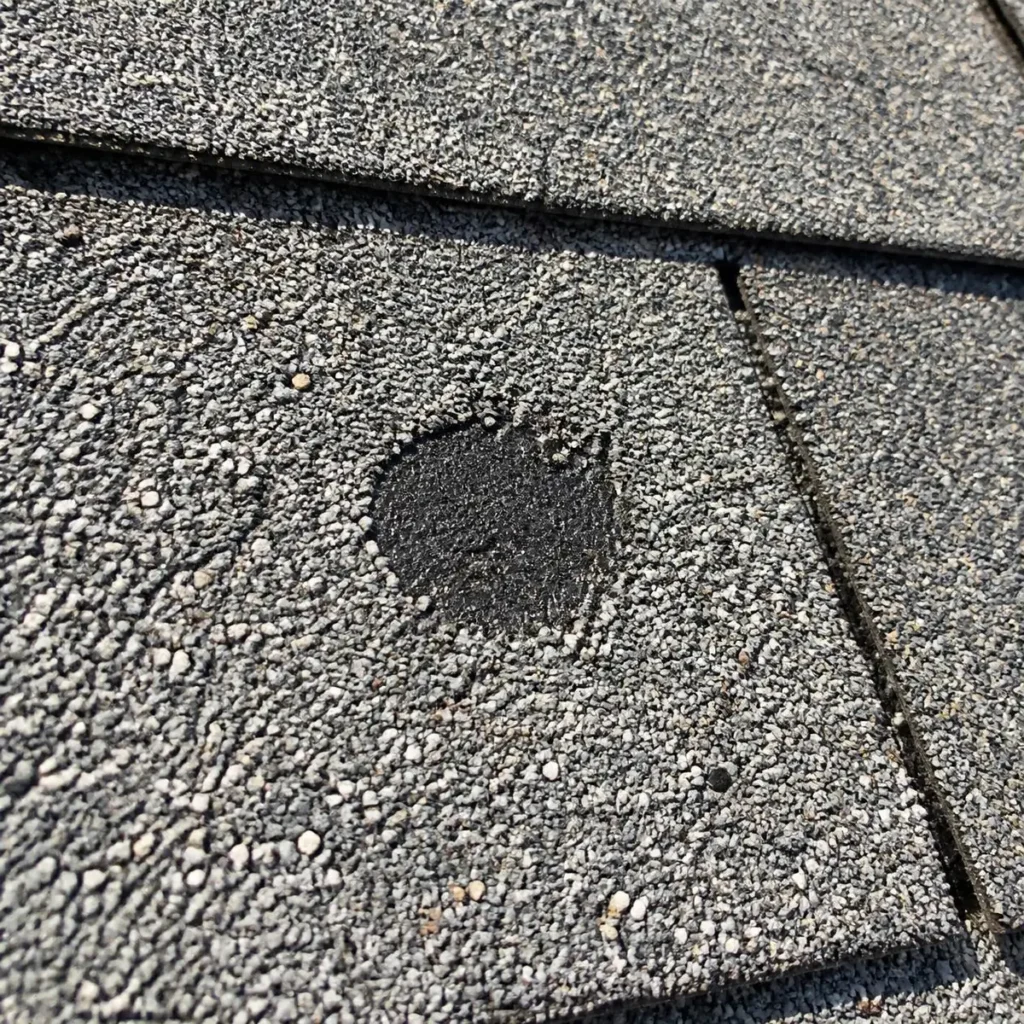
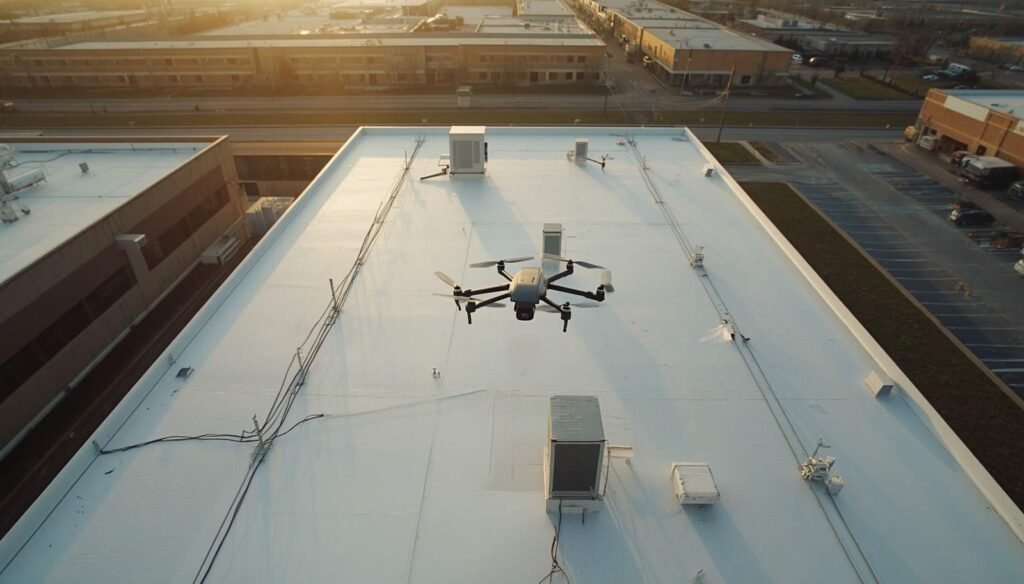
After a Houston wind event, the biggest roofing mistakes usually happen before repairs even start: missed damage, weak documentation, and unsafe access decisions. That is where roof inspections Houston property owners rely on become critical, especially for steep roof designs, three-story home layouts, and large commercial building footprints. A drone changes how teams capture data, not whether a roof needs expert judgment. The best outcomes often come from pairing fast aerial imagery with targeted, safe follow-up when hands-on confirmation truly matters. Quick Comparison: What Changes When You Inspect by Drone A drone roof inspection is an aerial roof survey that uses a planned flight plan to collect high-resolution imagery, video capture, and optional thermal imaging from above. The operator stays on the ground while the drone documents slopes, edges, and details that are hard to see from a ladder. A traditional roof inspection, sometimes called a manual roof inspection or “boots on the roof,” relies on ladder access and a technician visually reviewing the roof up close. When conditions allow, the inspector may walk the roof to check materials and components at arm’s length. Drones do not automatically replace manual inspections. They change access, documentation quality, and risk, and they often make it easier to decide where a limited hands-on check is actually worth it. Houston has specific drivers that push many properties toward drones first. Storm season creates post-storm inspections at scale, and the city has plenty of steep roof profiles, hip roof geometry, and multi-story properties where ladder safety and fall risk become real constraints. Drone Roof Inspections vs. Traditional Roof Inspections in Houston Houston roofs are rarely “simple rectangles,” and that complexity shows up in valleys, ridges, roof penetrations, and flashing transitions. A drone can document every plane quickly, while a manual approach may depend on how many safe access points exist. If you want an example, compare a two-story home in The Heights with mature trees and tight setbacks to a three-story home in River Oaks with multiple elevations. Both can be inspected traditionally, but the time on site and liability profile are very different than a remote aerial capture. What a Drone Roof Inspection Typically Includes Most drone roof inspection workflows start with high-resolution photo documentation and video capture for each roof plane. Roof inspections Houston property owners schedule often include ridges, valleys, flashing, gutters, downspouts, fascia, soffit, and common failure points around roof penetrations like pipe boots. Many providers also offer thermal scanning. This process uses thermal imaging to identify temperature anomalies that may correlate with moisture detection. It works best as a screening tool for potential water intrusion patterns rather than a standalone “leak verdict.” For properties that require measurements, 3D mapping can generate roof measurements, a measurement report, and sometimes a 3D model for estimating and documentation. These tools can complement platforms like EagleView, especially when property owners need current-condition outputs after storm damage. If you want to see how these deliverables are typically packaged, review the service details for Houston-area drone-based roof inspection reports. It is a good baseline for what “professional documentation” should look like. What a Traditional Roof Inspection Typically Includes A traditional roof inspection starts with ladder access and a visual review from the roof surface when safe to do so. The inspector may check shingles, tiles, or membrane conditions up close and look for obvious wind damage, missing shingles, and flashing displacement. The advantage is tactile confirmation. A manual roof inspection can sometimes detect soft spots, fastener issues, or localized problems in roof decking that are hard to prove from imagery alone. Traditional inspection challenges show up quickly after storms. Wet surfaces, debris, and active leaks can limit where a technician can safely step, even when the roof needs urgent assessment. Safety and Liability: Risk Profiles in the Houston Area The biggest safety difference is simple: drones reduce time spent on ladders and limit the need for boots on the roof. Roof inspections Houston property owners schedule after storms often involve steep roof designs and compromised surfaces, where reducing fall risk becomes especially important. Drones also reduce foot traffic on fragile roofs. After hail damage or wind damage, shingles, flashing edges, and ridge caps can loosen. Walking those surfaces may create additional breakage or even new leak paths. Liability involves more than worker injury. It also includes accidental property damage, disputes over responsibility, and the ability to provide timestamped photo documentation when an insurance claim becomes contentious. When Traditional Access Is Unsafe or Not Allowed Houston weather conditions can shut down safe roof access fast, especially with sudden rain bands and gusts. High wind speed, wet surfaces, and post-storm debris make many roofs poor candidates for immediate walking. Some sites also restrict access for operational or security reasons. Gated commercial sites, tight setbacks in neighborhoods like West University Place, and sensitive facilities near Downtown Houston can limit where ladders can be placed or where crews can stage. Drones still have constraints. Airspace restrictions and FAA Part 107 compliance matter, and a legitimate operator will check controlled airspace and local limitations before flying. Accuracy and Detail: What Each Method Can (and Can’t) Reveal Drones excel at comprehensive visual coverage. You get consistent angles across all slopes, repeatable documentation, and the ability to zoom in on details like lifted shingle tabs, damaged pipe boots, and compromised flashing lines. Manual inspections excel at tactile verification when safe. If you need to confirm soft spots, check attachment issues, or probe suspected weak areas in roof decking, a trained inspector on the surface can answer questions a camera cannot. Thermal imaging sits in the middle. Thermal scanning can indicate moisture patterns that suggest water intrusion, but it cannot confirm the source without context, and it can be thrown off by sun loading, insulation voids, and ventilation differences. Damage Types Common in Houston Storm Events Wind uplift often appears as creased shingles, lifted edges, and missing shingles that become easier to identify when inspectors can view the entire roof plane at once. Roof

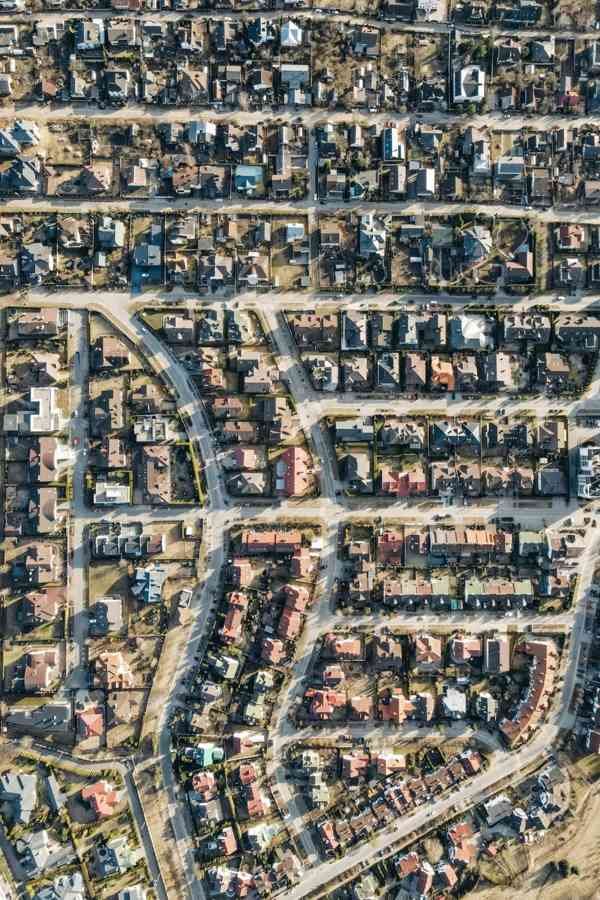
Roof leak detection drone inspection of a commercial flat roof in Houston
Blog

How Drone Thermal Imaging Finds Roof Leaks in Houston

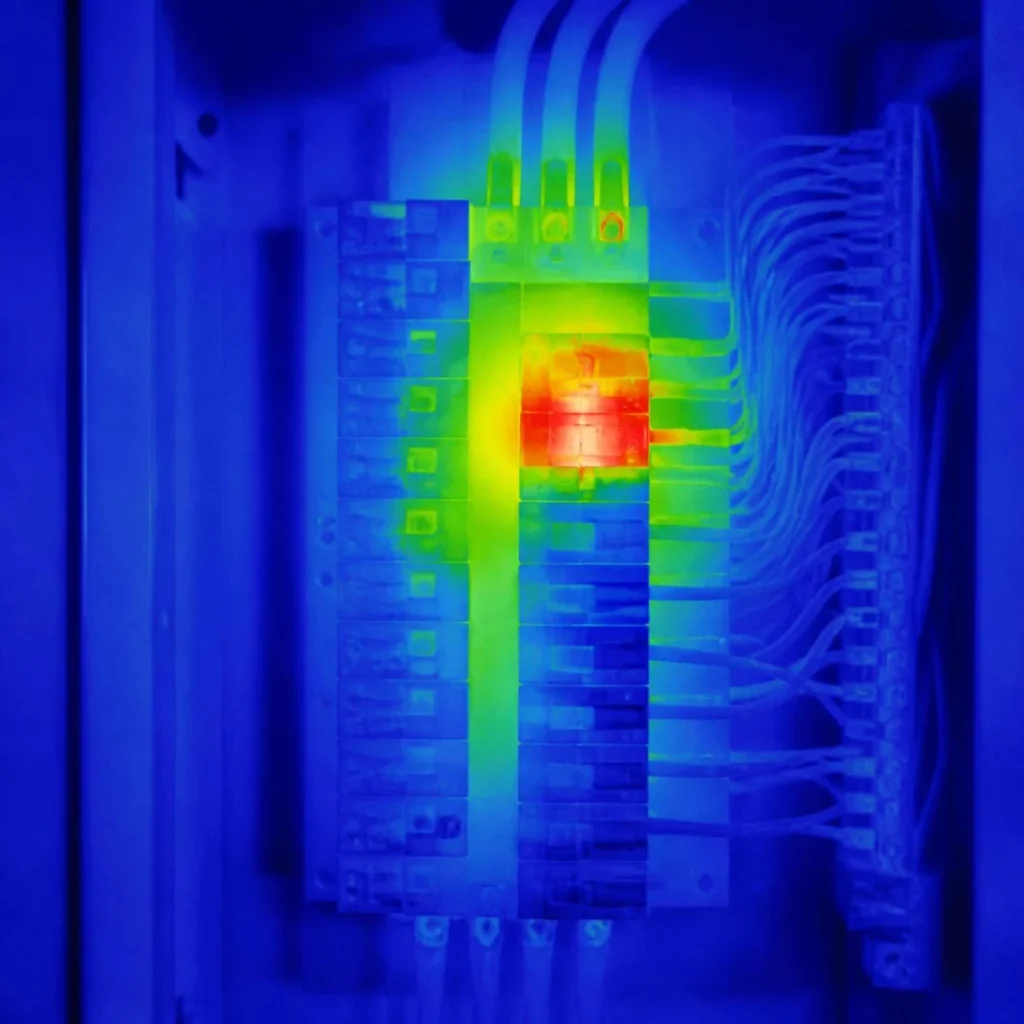
A ceiling stain can show up 30 feet from where water actually entered the roof. In Houston, that gap between “where you see it” and “where it started” is exactly why drone thermal imaging has become a go-to method for modern roof leak detection. Instead of guessing based on stains and caulk lines, infrared thermography uses a thermal imaging camera to spot temperature patterns that often match trapped moisture below the roof surface. When it’s done right, it turns a frustrating leak hunt into a clear moisture mapping plan you can verify and repair with confidence. Why Roof Leaks Are Hard to Pinpoint in the Houston Area Leaks often travel through insulation, along the roof deck, or around framing before they show up inside. That means the interior stain may be far from the roof entry point, especially on large commercial roof systems. Houston’s high humidity and frequent storms can mask drying patterns and complicate diagnosis. Materials stay damp longer, and you lose the “obvious” clues that might show up in a drier climate. Low-slope commercial roofs can hide moisture under membranes and insulation for weeks. Wet insulation can spread sideways under a roof membrane, creating a bigger problem than the original opening. Walking the roof isn’t always safe or practical after storm events. Slippery surfaces, ponding water, loose edge metal, and storm-related damage create real safety risk reduction benefits when you can inspect from the air with reduced roof foot traffic. Common Houston Roof Conditions That Create “Invisible” Leaks Ponding water on flat roofs after heavy rain is common, especially where a roof drain is slow or a low spot has developed. That standing water can seep into tiny defects and keep feeding moisture into the assembly, making early roof leak detection more difficult. Wind-driven rain is another Houston classic, pushing water sideways around roof penetrations, parapet wall transitions, and edge metal. Even a well-built detail can leak when gusts force water where it normally would not go, which is why thermal imaging is often useful for accurate roof leak detection. Where Visual Inspections Usually Fall Short Moisture trapped below the surface can look normal from above. A roof coating may look intact while wet insulation underneath continues to spread. Small membrane breaches can be missed without a roof moisture detection method. If you are relying only on “looking for holes,” you are often one seam, scupper, or flashing detail away from missing the real issue. Thermal Imaging Basics: What the Camera Actually Detects Thermal cameras measure surface temperature differences, not “water” directly. A FLIR or similar thermal imaging camera reads infrared energy and translates it into a temperature map. Wet insulation and saturated materials change how a roof stores and releases heat. This is about thermal mass: water holds heat differently than dry insulation, so wet areas often warm up and cool down at a different rate. The goal is to identify thermal anomalies consistent with trapped moisture. A thermal anomaly is not a guarantee of a leak, but it is a strong clue when the shape and location make sense. Results improve when paired with roof knowledge and verification testing. A trained operator considers emissivity, reflective surfaces, solar loading, and the roof’s construction before calling something “wet.” Why Moisture Shows Up as a Thermal Anomaly Water’s thermal mass can keep wet areas warmer or cooler than dry areas depending on timing. After sunset, for example, wet zones may stay warmer longer because they release stored heat more slowly, which helps improve roof leak detection during thermal inspections. Thermal patterns often form “blooms” that help outline moisture migration. Instead of a neat circle, you might see irregular edges that follow insulation boards, slope lines, or pathways toward a drain, making thermal imaging useful for targeted roof leak detection. Thermography vs. Leak Source Confirmation Thermal imaging indicates likely wet zones; it does not prove the exact hole location. The entry point could be uphill from the wet zone, or at a seam that feeds water under the membrane. Pinpointing typically requires follow-up with moisture meters or core cuts. That ground truthing step is what turns a “suspect” area into a confirmed repair target. Step-by-Step: How a Drone Thermal Roof Leak Survey Works Plan the mission based on roof type, access, safety, and airspace. Good flight planning also considers controlled airspace around busy areas like Downtown Houston and major corridors near The Galleria. Capture thermal and visible imagery to correlate anomalies with roof features. Thermal shows the temperature differential, while RGB imagery from a visible spectrum camera shows seams, flashing, and physical damage. Process imagery into an orthomosaic or annotated map for decision-making. Many teams deliver a thermal orthomosaic plus an annotated roof map that marks anomalies, likely moisture paths, and recommended verification points. Validate findings with targeted ground truth checks before repairs. This reduces unnecessary tear-off and helps crews open the roof only where the data says it is worth checking. If you want to see what a dedicated aerial workflow looks like, these providers outline their process for drone-based roof inspection services in Houston with documentation options that fit commercial properties. Pre-Flight Planning and Site Readiness Confirm roof access points, hazards, and no-fly constraints near sensitive areas before beginning roof leak detection operations. Schools, hospitals, industrial sites, and some Energy Corridor locations may require extra coordination. Document recent weather and HVAC operation that may affect readings during roof leak detection surveys. HVAC exhaust, overnight run times, and fresh rain can all change what the roof looks like thermally. A professional operator should also comply with FAA Part 107 requirements when performing roof leak detection with drones. If someone cannot explain their credentials and safety plan, that is a red flag. Data Capture: Thermal + RGB for Context Thermal identifies suspect wet zones; RGB helps identify seams, drains, penetrations, and damage. Without RGB, it is harder to connect a thermal blob to a specific roof seam or roof penetration. Consistent altitude, image overlap, and flight lines improve mapping quality. If overlap is poor,

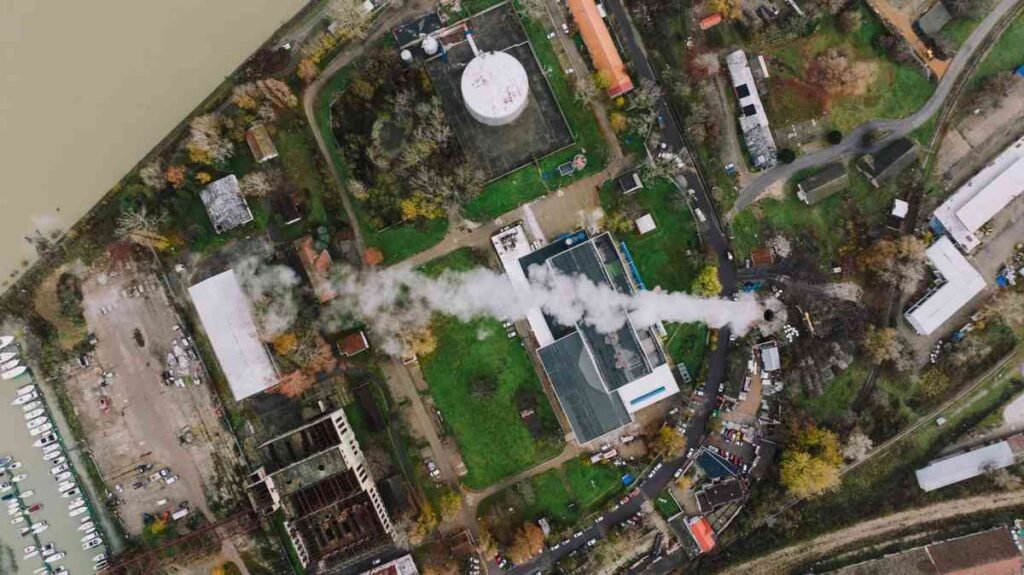
drone roof inspections Houston commercial warehouse
Blog

Why Houston Businesses Are Switching to Drone Roof Inspections

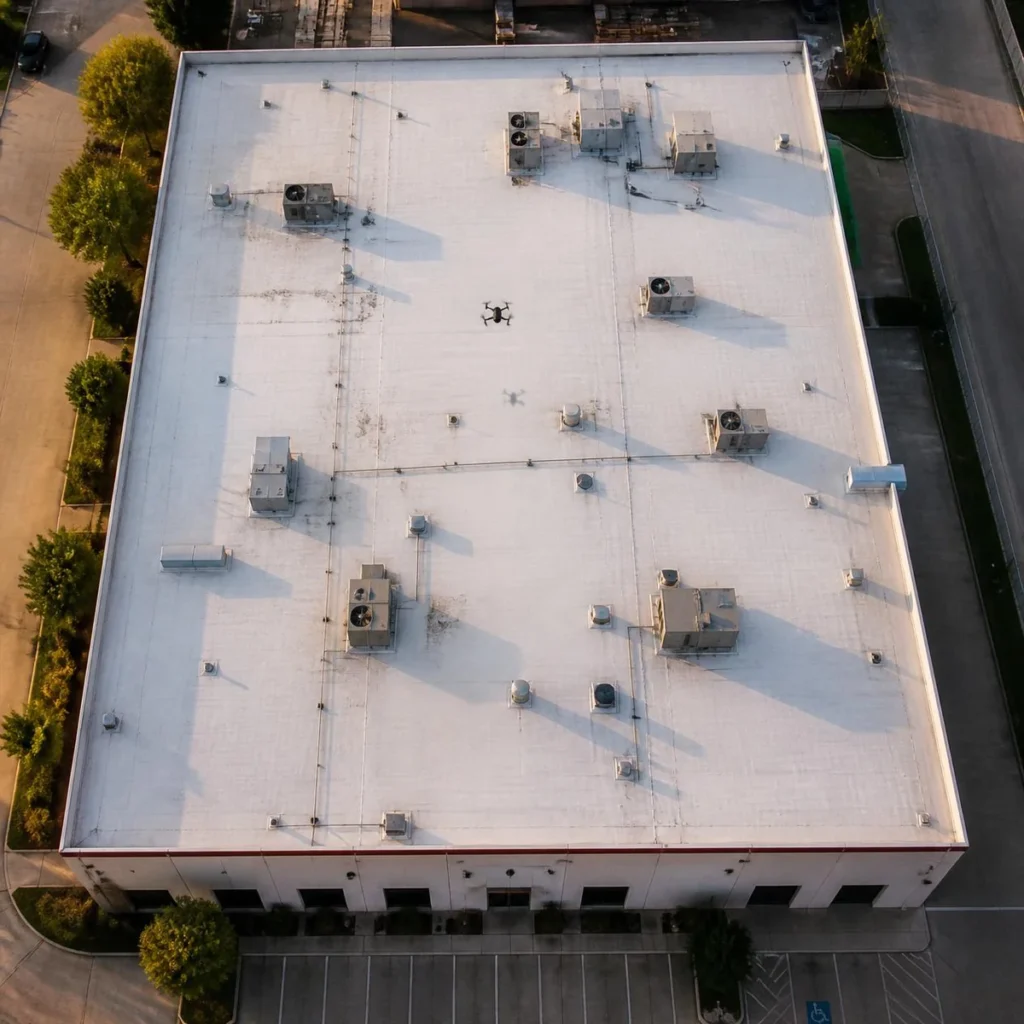
Faster Roof Answers Without Ladders, Lifts, or Disruption Drone roof inspections give Houston businesses a fast, clear roof inspection without ladder use, lift rental, or a long manual walkthrough. Drones Houston captures high-resolution imagery and can add thermal scanning to support leak detection when conditions allow. Schedule a Drone Roof Inspection Best-Fit Roof Types in the Houston Area Some roofs are slow, risky, or expensive to inspect with a roof walk, especially when access is limited. Drone technology makes hard-to-reach roofs easier to document without stepping on fragile areas. Proof You Can Share With Stakeholders in Minutes ★ Rating and review count available on request | Years serving Houston available on request You get stakeholder-ready deliverables: clear photos, labeled findings, and time-stamped documentation that holds up in meetings and email threads. Use the same inspection report package for maintenance planning, insurance claims conversations, and contractor scope validation. The organized file structure also improves data accuracy when multiple roofing contractors, insurance representatives, and property managers review the same roof condition documentation. Built for Commercial Decision-Making One inspection package reduces back-and-forth between tenants, facilities, ownership, and contractors. Visual evidence supports budget approvals with fewer assumptions and fewer repeat visits. As construction trends continue pushing more commercial development across Houston, property owners are looking for faster ways to monitor roof condition without disrupting active sites or tenants. Common Roof Inspection Headaches We Eliminate As construction trends continue pushing more commercial development across Houston, property owners are looking for faster ways to monitor roof condition without disrupting active sites or tenants. Houston Conditions That Increase Roof Risk Houston weather creates fast-moving roof problems that do not wait for a convenient schedule. Heat, humidity, and storms raise the odds of membrane wear, flashing failures, and moisture intrusion. Houston weather can rapidly expose weak seams, damaged flashing, and vulnerable roof penetrations that may not be visible from the ground. What Drones Houston Delivers With Drone Roof Inspections Drones Houston provides drone roof inspections to capture roof condition quickly, with documentation you can use. You get high-resolution imagery, optional infrared imaging, and outputs designed for action instead of guesswork. For related capture needs beyond roofs, see our team’s commercial drone photo and video services. If your site needs more than a roof check, our inspection services for buildings and infrastructure can cover additional exterior assets. For large properties that need measurements and site context, ask about mapping and measured deliverables for planning. Service Options (Use as Cards) Why Businesses Prefer Drones Over Traditional Roof Walks Better Data for Insurance and Maintenance Time-stamped visuals support claim narratives and help align repair scope with what is actually visible. Detailed aerial imagery creates stronger proof of condition before repairs begin, helping roofing contractors and ownership groups compare changes more confidently over time. A baseline roof condition makes change over time tracking easier after storms, repairs, or seasonal wear. For storm timing and local risk context, the National Weather Service Houston/Galveston office is a reliable reference. How the Inspection Works (Simple and Predictable) What We Need From You For active developments or recently completed projects, understanding the jobsite data environment helps improve flight planning, safety coordination, and documentation accuracy. Trust Signals That Matter for Commercial Roof Work You need a vendor that fits commercial schedules, safety requirements, and documentation standards for drone roof inspections in Houston. In addition, Drones Houston focuses on efficiency, accuracy, and documentation-first deliverables for Houston businesses that need reliable roof condition reporting. Compliance and Operational Fit Objections We Hear (and Straight Answers) When a Drone Inspection Is the Wrong Fit Traditional home inspections during a new home purchase may still require in-person evaluations inside attics, insulation systems, and structural components that drones alone cannot fully assess. Book Your Inspection Before the Next Storm Window Closes Post-storm backlogs and insurer timelines make fast roof documentation valuable, especially when multiple sites need the same proof standard for drone roof inspections in Houston. As a result, requesting availability early helps businesses receive a clear inspection plan based on roof type, access limits, and operational goals. In addition, fast documentation becomes even more important after severe Houston weather events when roofing contractors and insurance teams are handling multiple properties at once. Ideal Times to Schedule Frequently Asked Questions About Drone Roof Inspections How do drone roof inspections improve data accuracy? Drone roof inspections improve data accuracy by capturing high-resolution aerial imagery from multiple angles that are difficult to document during a traditional roof walk. This allows property owners, facility managers, and roofing contractors to review consistent visual evidence without relying only on handwritten notes or limited ground-level photos. Can drone inspections provide proof of condition for insurance claims? Yes. Drone inspections create time-stamped photos and video that help establish proof of condition before or after storms, repairs, or maintenance work. Many Houston businesses use this documentation when discussing roof damage, claim timelines, and repair scope with insurance carriers and roofing contractors. Why are roof penetrations important during a roof inspection? Roof penetrations are common problem areas because vents, HVAC units, skylights, drains, and mechanical equipment can create openings where moisture intrusion begins. Drone inspections allow inspectors to safely capture detailed imagery around roof penetrations without stepping across fragile or difficult-to-access areas. How does Houston weather affect commercial roofs? Houston weather creates constant stress on commercial roofing systems due to heat, humidity, heavy rain, hail, and strong wind events. Over time, these conditions can accelerate membrane wear, flashing failure, standing water issues, and hidden moisture problems that may not be visible from the ground. Do roofing contractors use drone inspections before repairs? Many roofing contractors now use drone inspections before starting repair or replacement work because aerial documentation helps validate roof condition, identify damaged sections, and create a clearer scope of work. This can reduce misunderstandings and improve communication between contractors, ownership groups, and insurance representatives. Are drone roof inspections safer than traditional roof walks? In many situations, yes. Drone inspections reduce the need for ladder climbs, lifts, and extended roof walks on steep or

Scroll to Top