Droneshouston

commercial roof inspections

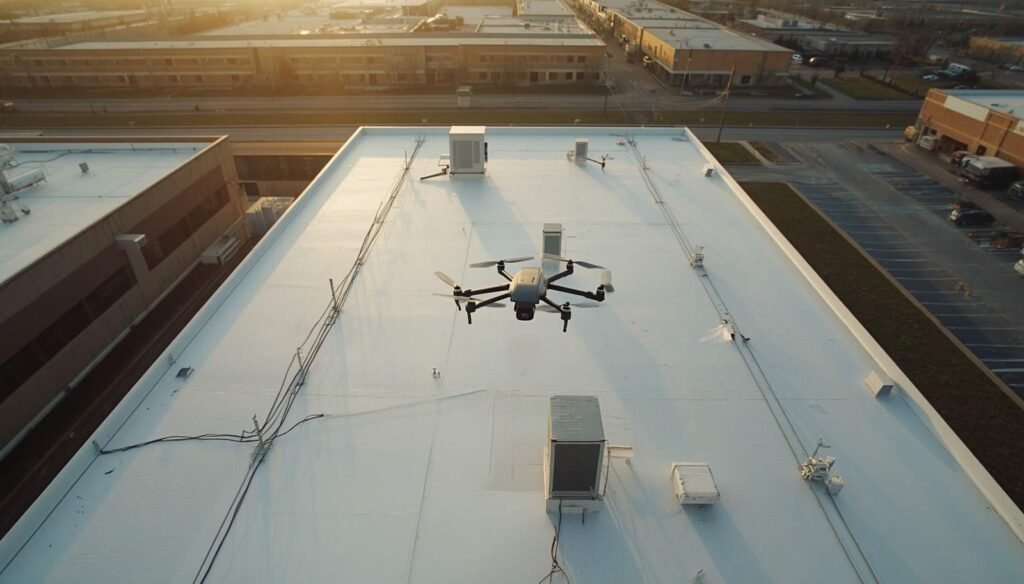
Drone landed on a Houston commercial flat roof during a drone roof inspection cost assessment
Blog

Drone Roof Inspection Cost in Houston: What You Actually Pay

Most people call us with the same question buried about ninety seconds into the conversation. They’ll describe the ceiling stain, or the tenant complaint, or the adjuster asking for photos, and then they get to it: what does a drone roof inspection cost? It’s a reasonable thing to want upfront, and roof work has never been great about answering it. Aerial inspections are newer, so people assume they’re either suspiciously cheap or reserved for corporate budgets. Neither is true. Here’s what the pricing looks like in Houston and what sits behind the number. Drone roof inspection cost in Houston: the ranges Property type Typical range Single-family home, visual inspection $150 – $350 Large home, multiple structures, or a complex roofline $300 – $600 Small commercial or retail, visual $400 – $900 Commercial flat roof with a thermal scan $600 – $2,000+ Warehouses, industrial sites, multi-building portfolios Quoted per square foot with a site minimum One caution about the bottom of that range. If someone quotes you $75, what you’re buying is a guy with a consumer drone and no certification, and what you’ll get back is a folder of blurry photos. An adjuster won’t work from it and your roofer won’t learn anything from it. What changes your drone roof inspection cost Roof size and layout A gable roof on a 2,200 square foot house is maybe twenty minutes of flying. A 400,000 square foot distribution center off Beltway 8 is a planned mapping mission with battery swaps and hours of processing afterward. Same drone, different job entirely. Visual or thermal This is the biggest swing in any drone roof inspection cost. A standard visual pass shows you the surface: lifted shingles, punctured membrane, ponding water, torn flashing, drains that stopped draining. Thermal imaging shows you what’s under it. Wet insulation gives up heat at a different rate than dry insulation, so a radiometric sensor picks out saturated areas that look perfectly normal in daylight. That sensor costs several times what a standard camera does, and the flight has to happen in a narrow window after sunset while the roof is still releasing heat. You’re paying for the equipment and the scheduling, not for extra pictures. What you get handed at the end Raw imagery is cheaper than a report somebody spent three hours annotating. If you need something an adjuster or a building owner will read without you translating it, that’s back-end time. Worth asking about before you compare two quotes, because a $400 job and a $900 job are sometimes the same flight with very different paperwork attached. Airspace, turnaround, and travel Airspace matters more here than in most cities. A lot of Houston sits inside controlled airspace thanks to Hobby, Bush, and Ellington, and flying there means authorization through LAANC first. Most requests clear in seconds. Some grids need further coordination with the FAA, which takes days and occasionally moves a flight to a different time of day. Any real quote already accounts for that planning. Beyond that: rush delivery costs extra if you’re against a claim deadline, standard turnaround is two to three business days, and anything past about ninety minutes out toward Galveston or Brazoria County picks up a trip charge. Katy, Sugar Land, Pearland, the Woodlands, inside the Loop, all standard. When thermal is worth the extra money A visual inspection tells you where the roof is damaged. Thermal tells you where the water ended up. Those are not always the same spot, and in Houston they usually aren’t. Water gets in at a seam, runs sideways under the membrane, and surfaces as a stain thirty feet away. Cut open the ceiling under the stain and you find dry decking and a bill for the drywall repair. We got into that problem in more depth in our post on finding roof leaks with thermal imaging. So: documenting hail damage after a storm, visual is generally plenty. Chasing a leak nobody can pin down, or deciding whether a 15-year-old TPO roof needs a $12,000 repair or a $180,000 replacement, thermal earns its cost the first time it stops you from tearing off a section that was fine. Drone roof inspection cost vs. sending someone up a ladder Traditional inspections aren’t free. Add up crew time, a lift rental for anything above two stories, safety setup, and people walking around on a roof during business hours, and the gap closes quickly. On a large commercial building the drone wins on price outright. On a single-story roof with easy access, it’s closer to a wash. Documentation is where it isn’t close. You end up with timestamped, geotagged coverage of the entire roof surface instead of a dozen phone shots taken from wherever the inspector could safely stand. That difference shows up during a claim. The Texas Department of Insurance says as much in its storm recovery guidance, which tells homeowners to photograph everything and hold onto damaged material until the adjuster has seen it. Full aerial coverage is about as complete as that gets. We compared the two approaches side by side here: drone roof inspections vs. traditional roof inspections. The expensive inspection is the one that misses something Something small gets overlooked in June. By September the insulation under it is saturated, and Houston humidity is not going to dry it out for you. Now the conversation isn’t about patching a seam, it’s about replacing decking and answering questions about mold. At that point nobody remembers whether the inspection was $300 or $700. What’s included when you book with us An ISKY aerial inspection comes with a Part 107 certified pilot, insurance, airspace clearance sorted out before we arrive, full high-resolution coverage of the roof, and a report you can hand straight to a roofer or an adjuster. Thermal is available as an add-on or on its own. If you’re managing multiple properties, we also run inspections on a set schedule, annually or twice a year. There’s more on that in when a commercial building needs a drone inspection and why Houston businesses are switching to drone roof
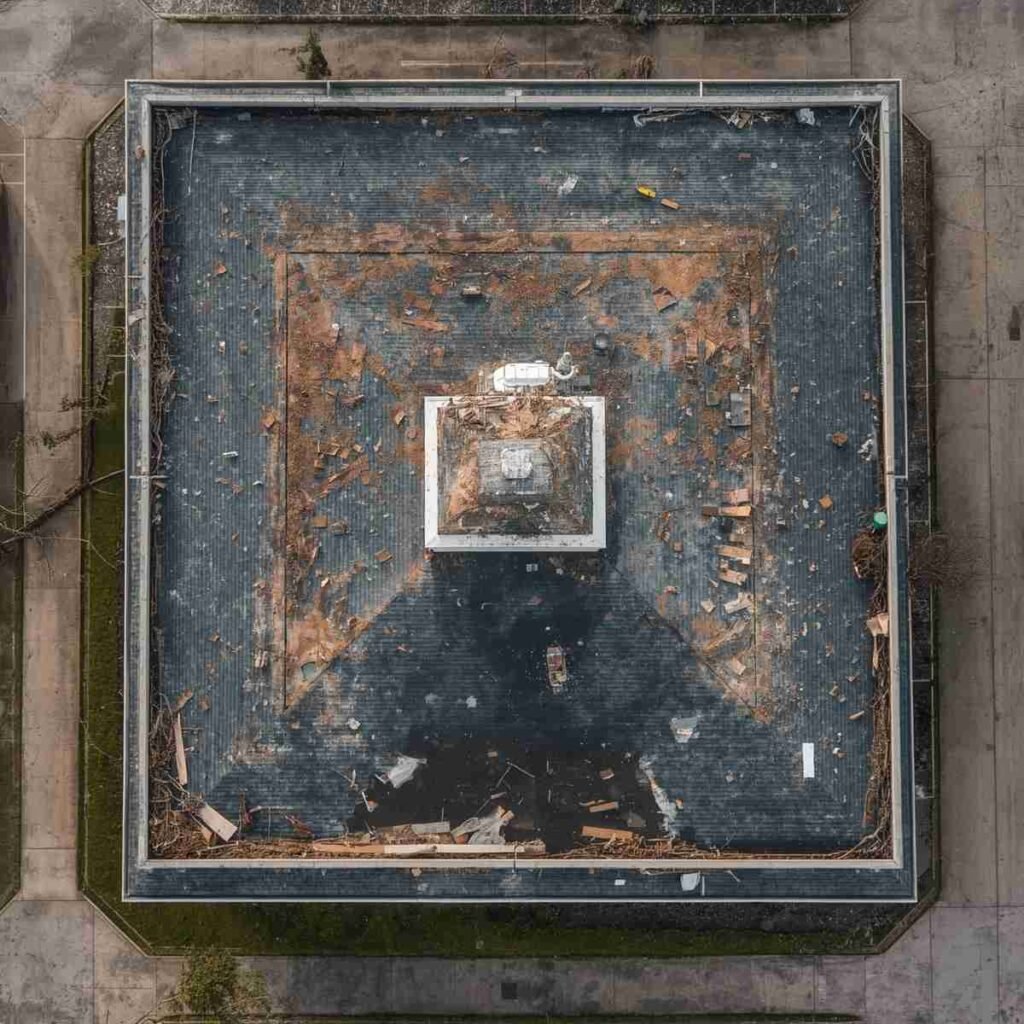
drone storm damage assessment of a weathered commercial rooftop skylight in Houston
Blog

Drone Storm Damage Assessment in Houston: What to Document After a Hurricane

A drone storm damage assessment gives Houston property owners what a ground-level walk-around can’t after a hurricane. It shows the roof damage that actually decides your insurance claim. That damage usually sits on the slope you can’t see from the street. Wind-lifted shingles, missing tabs, and cracked flashing cluster on the back plane and along the perimeter. By the time a stain reaches a ceiling inside, the water has traveled well past where it got in. That gap is why aerial documentation has become the smarter first move for Houston property owners and managers. A short, planned flight captures high-resolution, time-stamped images of the whole roof. It happens before any crew starts emergency work. Adjusters increasingly want that kind of record, not a roofer’s word. Imagery captured before repairs begin is what protects the claim. This guide covers what to document and when it’s safe and legal to fly. It also shows how to build a photo set that holds up during a busy claim season. Why aerial imagery beats a ground inspection After a storm, a commercial roof is one of the worst places to send a person. Standing water hides soft spots, debris covers punctures, and wet membrane is slick. A drone maps the whole roof in a single pass and flags problems you’d otherwise miss until the next rain — without putting anyone on a ladder above an unstable surface. The evidence is also stronger. A drone captures every roof plane the same way, at full resolution, with a date and time baked into each file. When a claims adjuster reviews that set, it’s easy to tell storm-related damage from old wear, prior patches, or earlier impact marks. A quick walk-around with a phone rarely does that. If you’re weighing your options, here’s how drone roof inspections compare to a traditional roof check. What insurance adjusters actually want to see What insurance adjusters actually want to see Adjusters handle heavy caseloads after a Houston hurricane. A clear, structured set moves your claim faster than a folder of random close-ups. Aim to document: A close-up of a puncture is far stronger with context. An oblique shot proves it sits right beside a vent boot on the leeward slope. Context is what turns a photo into proof. When it’s safe and legal to fly after a storm Timing matters. Wait for stable weather and steady winds before you fly — gusty post-storm bands cause blurry footage, incomplete coverage, and lost aircraft. Treat the site as a hazard zone first: confirm the property is clear of downed power lines and unstable trees before anything leaves the ground. The legal side matters just as much. Documenting damage for an insurance claim is a commercial purpose, so it falls under the FAA’s Part 107 rules, which require a certified remote pilot. Houston sits near several major airports and busy heli routes, so airspace has to be checked every flight — even on a property you’ve flown before. After a major storm, the FAA often issues temporary flight restrictions over response and recovery zones, and those can change by the hour. If you’re hiring a pilot, ask how they handle airspace and NOTAM checks. For seasonal context, the National Hurricane Center tracks Gulf activity through the season, which runs June into November and peaks in late summer. Your first 24–72 hours: a documentation plan The window right after a storm is when your evidence is strongest. A simple, repeatable order keeps the set complete: That last step does more than it looks like. A one-page index that maps “north slope, mid-field — shingle lift” to an exact filename cuts adjuster back-and-forth and speeds re-inspections. What a drone can — and can’t — detect A drone storm damage assessment is excellent at catching the visible, wind-driven damage that hurricanes cause: missing and lifted shingles, punctures, displaced ridge caps, bent drip edge, and gutter separation. The imagery shows how that damage tracks along edges and corners, where wind pressure concentrates. With sharp, close, well-lit passes, a drone can even reveal impact marks and granule loss. What a drone can’t do is confirm what’s already inside the roof. A slope can look fine from above while water is sitting in the insulation or decking. When you see ceiling stains, bubbling paint, or a musty smell, pair the aerial set with an attic check and moisture readings. Drone thermal imaging can confirm where a leak entered, and our thermal imaging servicesare built for exactly that kind of follow-up. Aerial imagery is one part of a complete storm-damage record, not the whole thing. DIY vs. hiring a Part 107 pilot A homeowner-grade drone can give you a quick look, and you’re allowed to fly your own property if you can do it safely and legally. The common DIY gap is coverage: edges, gutters, and flashing transitions get skipped, resolution runs too low to prove shingle condition, and metadata gets stripped by filters or re-saving. A professional flight is more likely to deliver systematic, repeatable coverage with clean, unedited originals — the kind of package that matches how adjusters review a claim. For commercial documentation, a Part 107-certified pilot is often required outright, and the liability of flying near people, traffic, and damaged structures makes controlled flight paths worth paying for. The same logic applies to a full commercial building drone inspection, where scale and access make a professional set the practical choice. Documentation mistakes that weaken a claim A few avoidable errors do the most damage to a storm claim: Frequently asked questions How much does a drone roof inspection cost in Houston? Pricing depends on roof size, access, and deliverables. Basic photo-and-video capture often starts in the low hundreds, while multi-building campuses or annotated claim reports run higher. Is a drone storm damage assessment worth it? After a hurricane, usually yes. It documents hard-to-see slopes safely and quickly, and the time-stamped, before-repairs record is what tends to reduce disputes over storm-related versus pre-existing damage. Can I inspect my own roof with a drone? You can if you can fly

Roof leak detection drone inspection of a commercial flat roof in Houston
Blog

How Drone Thermal Imaging Finds Roof Leaks in Houston

A ceiling stain can show up 30 feet from where water actually entered the roof. In Houston, that gap between “where you see it” and “where it started” is exactly why drone thermal imaging has become a go-to method for modern roof leak detection. Instead of guessing based on stains and caulk lines, infrared thermography uses a thermal imaging camera to spot temperature patterns that often match trapped moisture below the roof surface. When it’s done right, it turns a frustrating leak hunt into a clear moisture mapping plan you can verify and repair with confidence. Why Roof Leaks Are Hard to Pinpoint in the Houston Area Leaks often travel through insulation, along the roof deck, or around framing before they show up inside. That means the interior stain may be far from the roof entry point, especially on large commercial roof systems. Houston’s high humidity and frequent storms can mask drying patterns and complicate diagnosis. Materials stay damp longer, and you lose the “obvious” clues that might show up in a drier climate. Low-slope commercial roofs can hide moisture under membranes and insulation for weeks. Wet insulation can spread sideways under a roof membrane, creating a bigger problem than the original opening. Walking the roof isn’t always safe or practical after storm events. Slippery surfaces, ponding water, loose edge metal, and storm-related damage create real safety risk reduction benefits when you can inspect from the air with reduced roof foot traffic. Common Houston Roof Conditions That Create “Invisible” Leaks Ponding water on flat roofs after heavy rain is common, especially where a roof drain is slow or a low spot has developed. That standing water can seep into tiny defects and keep feeding moisture into the assembly, making early roof leak detection more difficult. Wind-driven rain is another Houston classic, pushing water sideways around roof penetrations, parapet wall transitions, and edge metal. Even a well-built detail can leak when gusts force water where it normally would not go, which is why thermal imaging is often useful for accurate roof leak detection. Where Visual Inspections Usually Fall Short Moisture trapped below the surface can look normal from above. A roof coating may look intact while wet insulation underneath continues to spread. Small membrane breaches can be missed without a roof moisture detection method. If you are relying only on “looking for holes,” you are often one seam, scupper, or flashing detail away from missing the real issue. Thermal Imaging Basics: What the Camera Actually Detects Thermal cameras measure surface temperature differences, not “water” directly. A FLIR or similar thermal imaging camera reads infrared energy and translates it into a temperature map. Wet insulation and saturated materials change how a roof stores and releases heat. This is about thermal mass: water holds heat differently than dry insulation, so wet areas often warm up and cool down at a different rate. The goal is to identify thermal anomalies consistent with trapped moisture. A thermal anomaly is not a guarantee of a leak, but it is a strong clue when the shape and location make sense. Results improve when paired with roof knowledge and verification testing. A trained operator considers emissivity, reflective surfaces, solar loading, and the roof’s construction before calling something “wet.” Why Moisture Shows Up as a Thermal Anomaly Water’s thermal mass can keep wet areas warmer or cooler than dry areas depending on timing. After sunset, for example, wet zones may stay warmer longer because they release stored heat more slowly, which helps improve roof leak detection during thermal inspections. Thermal patterns often form “blooms” that help outline moisture migration. Instead of a neat circle, you might see irregular edges that follow insulation boards, slope lines, or pathways toward a drain, making thermal imaging useful for targeted roof leak detection. Thermography vs. Leak Source Confirmation Thermal imaging indicates likely wet zones; it does not prove the exact hole location. The entry point could be uphill from the wet zone, or at a seam that feeds water under the membrane. Pinpointing typically requires follow-up with moisture meters or core cuts. That ground truthing step is what turns a “suspect” area into a confirmed repair target. Step-by-Step: How a Drone Thermal Roof Leak Survey Works Plan the mission based on roof type, access, safety, and airspace. Good flight planning also considers controlled airspace around busy areas like Downtown Houston and major corridors near The Galleria. Capture thermal and visible imagery to correlate anomalies with roof features. Thermal shows the temperature differential, while RGB imagery from a visible spectrum camera shows seams, flashing, and physical damage. Process imagery into an orthomosaic or annotated map for decision-making. Many teams deliver a thermal orthomosaic plus an annotated roof map that marks anomalies, likely moisture paths, and recommended verification points. Validate findings with targeted ground truth checks before repairs. This reduces unnecessary tear-off and helps crews open the roof only where the data says it is worth checking. If you want to see what a dedicated aerial workflow looks like, these providers outline their process for drone-based roof inspection services in Houston with documentation options that fit commercial properties. Pre-Flight Planning and Site Readiness Confirm roof access points, hazards, and no-fly constraints near sensitive areas before beginning roof leak detection operations. Schools, hospitals, industrial sites, and some Energy Corridor locations may require extra coordination. Document recent weather and HVAC operation that may affect readings during roof leak detection surveys. HVAC exhaust, overnight run times, and fresh rain can all change what the roof looks like thermally. A professional operator should also comply with FAA Part 107 requirements when performing roof leak detection with drones. If someone cannot explain their credentials and safety plan, that is a red flag. Data Capture: Thermal + RGB for Context Thermal identifies suspect wet zones; RGB helps identify seams, drains, penetrations, and damage. Without RGB, it is harder to connect a thermal blob to a specific roof seam or roof penetration. Consistent altitude, image overlap, and flight lines improve mapping quality. If overlap is poor,

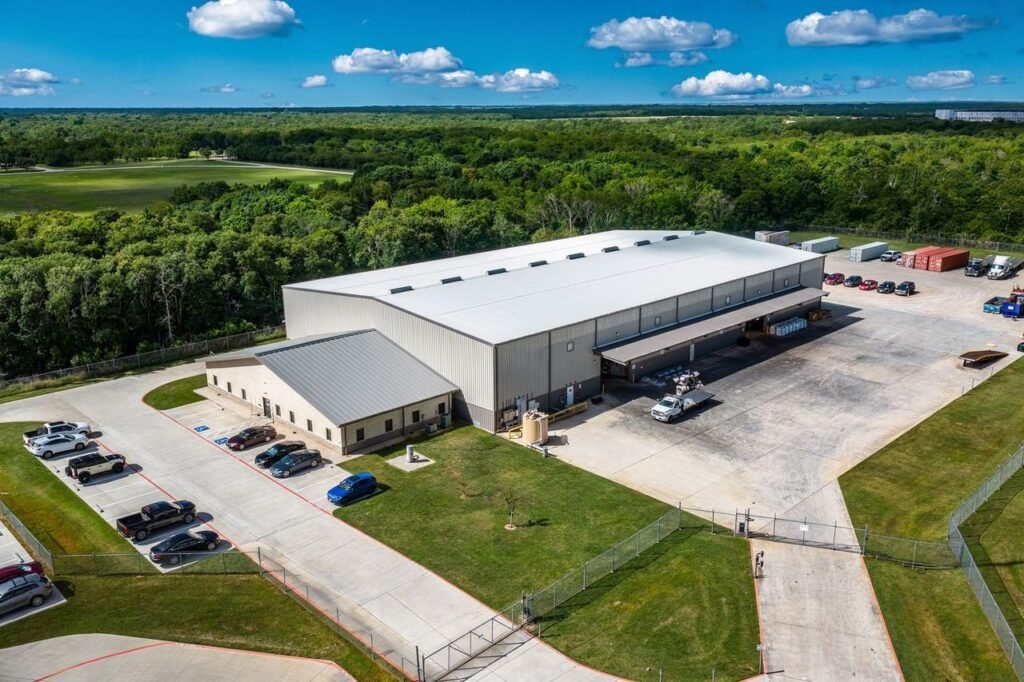
drone roof inspections Houston commercial warehouse
Blog

Why Houston Businesses Are Switching to Drone Roof Inspections

Faster Roof Answers Without Ladders, Lifts, or Disruption Drone roof inspections give Houston businesses a fast, clear roof inspection without ladder use, lift rental, or a long manual walkthrough. Drones Houston captures high-resolution imagery and can add thermal scanning to support leak detection when conditions allow. Schedule a Drone Roof Inspection Best-Fit Roof Types in the Houston Area Some roofs are slow, risky, or expensive to inspect with a roof walk, especially when access is limited. Drone technology makes hard-to-reach roofs easier to document without stepping on fragile areas. Proof You Can Share With Stakeholders in Minutes ★ Rating and review count available on request | Years serving Houston available on request You get stakeholder-ready deliverables: clear photos, labeled findings, and time-stamped documentation that holds up in meetings and email threads. Use the same inspection report package for maintenance planning, insurance claims conversations, and contractor scope validation. The organized file structure also improves data accuracy when multiple roofing contractors, insurance representatives, and property managers review the same roof condition documentation. Built for Commercial Decision-Making One inspection package reduces back-and-forth between tenants, facilities, ownership, and contractors. Visual evidence supports budget approvals with fewer assumptions and fewer repeat visits. As construction trends continue pushing more commercial development across Houston, property owners are looking for faster ways to monitor roof condition without disrupting active sites or tenants. Common Roof Inspection Headaches We Eliminate As construction trends continue pushing more commercial development across Houston, property owners are looking for faster ways to monitor roof condition without disrupting active sites or tenants. Houston Conditions That Increase Roof Risk Houston weather creates fast-moving roof problems that do not wait for a convenient schedule. Heat, humidity, and storms raise the odds of membrane wear, flashing failures, and moisture intrusion. Houston weather can rapidly expose weak seams, damaged flashing, and vulnerable roof penetrations that may not be visible from the ground. What Drones Houston Delivers With Drone Roof Inspections Drones Houston provides drone roof inspections to capture roof condition quickly, with documentation you can use. You get high-resolution imagery, optional infrared imaging, and outputs designed for action instead of guesswork. For related capture needs beyond roofs, see our team’s commercial drone photo and video services. If your site needs more than a roof check, our inspection services for buildings and infrastructure can cover additional exterior assets. For large properties that need measurements and site context, ask about mapping and measured deliverables for planning. Service Options (Use as Cards) Why Businesses Prefer Drones Over Traditional Roof Walks Better Data for Insurance and Maintenance Time-stamped visuals support claim narratives and help align repair scope with what is actually visible. Detailed aerial imagery creates stronger proof of condition before repairs begin, helping roofing contractors and ownership groups compare changes more confidently over time. A baseline roof condition makes change over time tracking easier after storms, repairs, or seasonal wear. For storm timing and local risk context, the National Weather Service Houston/Galveston office is a reliable reference. How the Inspection Works (Simple and Predictable) What We Need From You For active developments or recently completed projects, understanding the jobsite data environment helps improve flight planning, safety coordination, and documentation accuracy. Trust Signals That Matter for Commercial Roof Work You need a vendor that fits commercial schedules, safety requirements, and documentation standards for drone roof inspections in Houston. In addition, Drones Houston focuses on efficiency, accuracy, and documentation-first deliverables for Houston businesses that need reliable roof condition reporting. Compliance and Operational Fit Objections We Hear (and Straight Answers) When a Drone Inspection Is the Wrong Fit Traditional home inspections during a new home purchase may still require in-person evaluations inside attics, insulation systems, and structural components that drones alone cannot fully assess. Book Your Inspection Before the Next Storm Window Closes Post-storm backlogs and insurer timelines make fast roof documentation valuable, especially when multiple sites need the same proof standard for drone roof inspections in Houston. As a result, requesting availability early helps businesses receive a clear inspection plan based on roof type, access limits, and operational goals. In addition, fast documentation becomes even more important after severe Houston weather events when roofing contractors and insurance teams are handling multiple properties at once. Ideal Times to Schedule Frequently Asked Questions About Drone Roof Inspections How do drone roof inspections improve data accuracy? Drone roof inspections improve data accuracy by capturing high-resolution aerial imagery from multiple angles that are difficult to document during a traditional roof walk. This allows property owners, facility managers, and roofing contractors to review consistent visual evidence without relying only on handwritten notes or limited ground-level photos. Can drone inspections provide proof of condition for insurance claims? Yes. Drone inspections create time-stamped photos and video that help establish proof of condition before or after storms, repairs, or maintenance work. Many Houston businesses use this documentation when discussing roof damage, claim timelines, and repair scope with insurance carriers and roofing contractors. Why are roof penetrations important during a roof inspection? Roof penetrations are common problem areas because vents, HVAC units, skylights, drains, and mechanical equipment can create openings where moisture intrusion begins. Drone inspections allow inspectors to safely capture detailed imagery around roof penetrations without stepping across fragile or difficult-to-access areas. How does Houston weather affect commercial roofs? Houston weather creates constant stress on commercial roofing systems due to heat, humidity, heavy rain, hail, and strong wind events. Over time, these conditions can accelerate membrane wear, flashing failure, standing water issues, and hidden moisture problems that may not be visible from the ground. Do roofing contractors use drone inspections before repairs? Many roofing contractors now use drone inspections before starting repair or replacement work because aerial documentation helps validate roof condition, identify damaged sections, and create a clearer scope of work. This can reduce misunderstandings and improve communication between contractors, ownership groups, and insurance representatives. Are drone roof inspections safer than traditional roof walks? In many situations, yes. Drone inspections reduce the need for ladder climbs, lifts, and extended roof walks on steep or

Scroll to Top