
A thermal drone roof inspection in Houston typically costs between $300 and $800. Simple single-family roofs typically start around $300–$500, while larger homes, complex rooflines, and detailed reporting move the price toward $500–$800 or more. The final figure depends on roof size, building height, access, and how much analysis and reporting you need.
Hidden moisture, insulation defects, and storm-related concerns are hard to locate without walking on vulnerable roofing materials. A thermal drone roof inspection documents temperature patterns across broad roof areas without direct contact — and a property-specific quote from ISKY Drone Services can define the imagery, coverage, flight conditions, and report before work begins.
Request a Thermal Roof Inspection Quote →
Get Clear Thermal Roof Pricing Before You Book
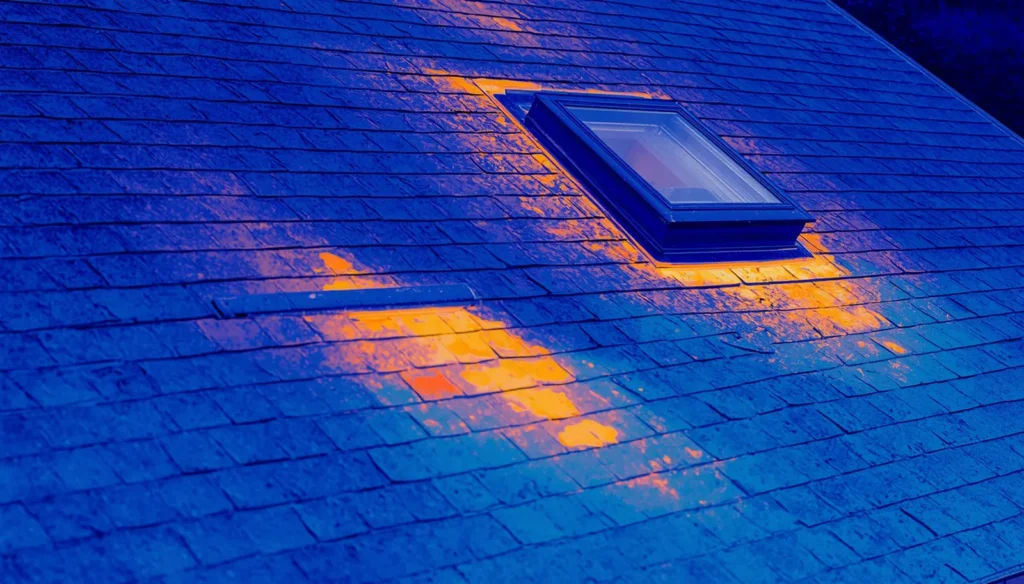
A thermal drone roof inspection is a non-contact assessment that combines aerial photography with infrared data to identify areas that may require closer investigation. It can help reveal patterns associated with wet insulation, thermal bridging, or inconsistent heat transfer — but the images must be interpreted in the context of weather and roof construction. Our thermal drone imaging services are built around that interpretation step, not just the raw scan.
Many straightforward residential roof inspections in Houston start at approximately $300 to $500. Larger homes, complex rooflines, multiple buildings, or more detailed analysis commonly raise the price toward $500 to $800 or more.
Properties elsewhere in Harris County may also incur travel or scheduling considerations depending on their location and flight requirements. A written quote should explain whether the price includes thermal capture, visual photographs, analysis, annotated findings, and a formal report.
The lowest advertised price may cover only a brief flight or a limited number of images. Compare the complete scope, because collecting thermal data without interpreting or mapping it provides limited decision-making value.
A custom proposal is generally more reliable for commercial buildings, multifamily communities, and estates with detached structures. It establishes the number of buildings, expected roof coverage, deliverables, and weather window before the operator arrives.
Houston Property Owners Need Answers Without Roof Access Risks
Houston’s Gulf Coast climate exposes roofing systems to intense solar heating, heavy rain, hail, wind, and high humidity. These conditions can create storm damage or moisture concerns that stay concealed beneath an apparently intact roof surface.
Standard aerial photography records visible roof material conditions but cannot display heat patterns. Thermal imaging adds another layer by showing temperature differences that may correspond with retained moisture, uneven insulation, or air movement around vulnerable assemblies.
Roof penetrations deserve particular attention because vents, skylights, plumbing stacks, exhaust systems, and HVAC curbs interrupt the continuous roofing membrane. Temperature anomalies near these features can help direct a roofer toward specific areas instead of requiring an unfocused search across the entire structure.
A drone roof inspection is especially practical for steep, fragile, high, or expansive roofs that are difficult to examine on foot. Keeping personnel off questionable surfaces reduces exposure to falls and helps avoid additional damage to brittle shingles, tiles, coatings, or membranes. For roofs where surface condition is the main concern, our aerial drone inspection services can capture high-resolution detail with or without a thermal pass.
A post-storm flight can document visible displacement, debris, punctures, ponding, and flashing concerns before conditions change. However, aerial documentation does not determine insurance coverage or prove that every anomaly resulted from a particular weather event.
Property owners gain the most value when they use drone findings to prioritize targeted physical evaluation. The approach narrows the search area while leaving definitive diagnosis and repair recommendations to qualified roofing or building professionals.
What a Thermal Drone Roof Inspection Includes
A complete inspection should combine high-resolution visual aerial imagery with radiometric thermal imagery when environmental conditions support reliable data collection. Radiometric files preserve temperature information for individual pixels, giving the analyst more information than a simple colorized infrared photograph.
The scope should specify roof-area coverage, image files, annotated images, turnaround time, and the format of the roof inspection report. Clear deliverables prevent confusion about whether the purchase includes raw imagery, interpreted findings, or both.
Thermal roof leak detection does not directly show water passing through a roof. It identifies a temperature anomaly that may be associated with moisture retention, insulation variation, roof composition, shade, mechanical equipment, or another source requiring verification.
Visual Aerial Roof Documentation
Visual images can document damaged or displaced shingles, open seams, flashing concerns, debris, roof penetrations, and ponding water. These photographs create a dated condition record that homeowners, property managers, roofers, and other authorized parties can review without relying solely on written descriptions. The same high-resolution capture used for our drone photography and videography work applies here.
Aerial files may also support insurance documentation, maintenance planning, or contractor discussions. They do not guarantee claim approval, establish causation, or replace documentation requested by an insurer.
Infrared Findings and Reporting
Infrared thermography compares emitted thermal energy across the roof surface under suitable conditions. Unusual patterns may indicate areas worth examining for trapped moisture, insulation gaps, air leakage, or differences in roof materials.
The report should map each notable image to its roof location, describe relevant limitations, and recommend proportionate next steps. Responsible reporting distinguishes an observed thermal pattern from a confirmed defect, which helps prevent unnecessary repairs based on infrared data alone.
What Changes the Price of Your Inspection
Roof size is only one pricing variable, because flight time does not represent the entire workload. The number of structures, roof pitch, building height, material type, penetrations, roof sections, and requested image detail all affect capture and analysis time.
A thermal survey normally costs more than a visual-only drone inspection. Infrared equipment, weather-dependent scheduling, radiometric analysis, image annotation, and reporting add technical requirements beyond basic photography.
Travel distance, controlled airspace, rush deadlines, restricted access, safety coordination, and site-specific operating rules can also alter the quote. A commercial roof inspection may require contact with facility managers, designated launch areas, tenant coordination, or work outside busy operating periods.
Typical Houston Pricing Ranges
The following figures are planning ranges rather than fixed prices:
| Property type | Typical range | Notes |
|---|---|---|
| Small, straightforward residential roof | $300 – $500 | When access and thermal conditions are favorable |
| Large homes / complex rooflines / detailed reporting | $500 – $800+ | Multiple elevations or in-depth analysis |
| Commercial, multifamily & portfolio properties | Custom quote | Per-roof pricing can obscure differences in area, access, and reporting |
| Multiple buildings / recurring inspections | Scoped as a project | Consistent deliverables and scheduling reduce duplicated setup |
A minimum service charge may apply even to a small roof, because every assignment requires preparation, travel, flight setup, data management, and reporting. Ask whether the quote is fixed or subject to added analysis fees so you’re comparing complete scopes.
Conditions That Can Require Rescheduling
Rain, standing water, high winds, low visibility, and unsuitable temperature conditions can impair flight safety or distort thermal patterns. Recently heated surfaces, heavy cloud transitions, shadows, and rooftop equipment may also complicate interpretation.
Infrared surveys are generally more useful when an adequate temperature differential exists across the roof assembly. A provider should reschedule rather than collect weak data simply to preserve an appointment time.
Choose Thermal Insight Over a Visual-Only Roof Check
A visual drone flight can efficiently record surface conditions, but thermal imaging answers a different question: where does the roof display unusual heat behavior? Combining the two datasets lets visible defects and thermal anomalies be compared by location.
Practical advantages include:
- ✓ Inspecting broad roof areas without placing a person on steep, elevated, or fragile surfaces.
- ✓ Producing shareable visual and thermal imagery for maintenance discussions and targeted follow-up.
- ✓ Identifying areas that may deserve closer evaluation before repair or replacement decisions.
- ✓ Reducing disruption at occupied homes, retail centers, offices, and multifamily property sites.
- ✓ Establishing a baseline before hurricane season, a roof warranty review, scheduled maintenance, or a property transaction.
Thermal imagery is most valuable as a screening and documentation tool rather than a stand-alone verdict. It can focus subsequent investigation, but it cannot confirm the precise moisture source, remaining service life, or correct repair method without supporting evidence.
A baseline inspection also makes future comparisons more informative, because you’ll have a prior visual record. Consistent flight coverage and reporting methods matter when the goal is to track roof changes over time — the same principle behind our drone mapping and surveying work.
A Straightforward Path From Quote to Report
A structured process gives the operator enough information to price the work accurately and gives you a clear basis for evaluating the results.
- Share the details. Provide the property address, building type, approximate roof size, known concern, number of structures, and preferred deadline. Mention active ceiling stains, recent storm exposure, access restrictions, or areas that need specific attention.
- Confirm the scope. Lock in the price, expected deliverables, weather window, access plan, and required airspace authorization. The agreement should also explain what happens if conditions prevent useful thermal capture.
- Complete the capture. The operator performs the visual and thermal drone flight under safe operating conditions, obtaining overlapping coverage and preserving the relationship between each finding and its physical roof location.
- Receive the report. You get the agreed image package and findings report. If the report identifies an anomaly, arrange targeted verification with a licensed roofing contractor before authorizing repairs.
Turnaround time should be agreed upon rather than assumed, because analysis and annotation may take longer than the flight itself. Rush delivery may affect pricing, especially when a transaction, insurance deadline, or active water concern requires accelerated review.
This process separates observation from diagnosis. Drone data helps determine where to look, while hands-on testing and professional repair evaluation establish what the roof actually needs.
Book With Documented Flight and Reporting Standards
Trust should be based on verifiable credentials rather than unsupported ratings or marketing claims. Before booking with ISKY Drone Services or any provider, request the legal business details, insurance information, service-area coverage, and current FAA Part 107 pilot status relevant to the proposed flight. You can learn more about our team and certifications on our About Us page.
Houston contains multiple classes of controlled and complex airspace because of its airports and aviation activity. The operator should determine whether Federal Aviation Administration requirements apply and obtain any necessary Low Altitude Authorization and Notification Capability (LAANC) authorization before flying.
Part 107 status addresses commercial drone operation, not roofing expertise or building diagnostics. Separately evaluate the individual interpreting the thermal data, and ask how the report distinguishes environmental artifacts from findings that warrant physical verification.
A credible proposal should identify the thermal camera type, planned deliverables, safety limitations, rescheduling policy, and report turnaround. It should also state whether raw radiometric files, annotated images, consultation, or return flights cost extra.
Avoid selecting a provider based only on attractive sample colors, because infrared palettes do not prove analytical quality. Useful documentation ties each observation to a location, describes the collection conditions, and acknowledges uncertainty.
The service should be presented as inspection documentation, not a guaranteed leak diagnosis. Licensed roofing or building professionals should evaluate repair needs, code questions, structural concerns, and destructive testing when those services become necessary.
Get a Quote Matched to Your Roof and Timeline
An accurate quote begins with the property address, approximate roof size, building count, property type, desired deadline, and known concerns. Specify whether you need visual imagery, thermal imagery, or both, plus any annotated report or insurance-oriented documentation.
Precise scoping prevents surprise charges for complex layouts, commercial access controls, controlled-airspace planning, or detailed analysis. Disclose post-storm concerns, active water stains, pending transactions, and scheduled-maintenance decisions, because they may affect timing and deliverables.
📞 Call 713-582-2246 or check thermal inspection availability online →
Frequently Asked Questions
How much does a thermal drone roof inspection cost in Houston?
Many straightforward residential inspections cost about $300 to $500, while larger or more complex assignments often cost $500 to $800 or more. Roof size, building height, access, minimum service charges, analysis depth, and reporting requirements determine the final quote.
What is included in the cost of a thermal drone roof inspection?
A typical scope may include visual drone photography, radiometric thermal scans, anomaly analysis, annotated images, and a written report. Raw files, rush delivery, extensive reporting, repeat flights, travel, or specialized commercial access may cost extra unless listed in the proposal.
How should I compare Houston thermal drone roof inspection quotes?
Compare FAA Part 107 status, insurance, thermal-camera capability, relevant experience, safety practices, turnaround time, and exact deliverables. Confirm whether the price includes thermal interpretation, mapped findings, follow-up discussion, radiometric files, and rescheduling when weather conditions are unsuitable.
Does a thermal drone inspection detect roof leaks directly?
No. Thermal imaging does not show water passing through a roof. It identifies temperature anomalies that may be associated with trapped moisture, insulation gaps, or material differences — findings that a licensed roofing professional should verify before any repair.
Make Your Houston Roof Inspection Decision With Confidence
Thermal drone roof inspection pricing in Houston depends on roof size, complexity, flight conditions, and the level of reporting required. Many residential projects fall between $300 and $500, but only a property-specific quote can account for your building layout, concerns, deadline, and desired deliverables.
Choose a qualified, insured, FAA Part 107–certified operator who clearly documents collection conditions, thermal findings, limitations, and recommended next steps. With the right scope, you receive actionable roof documentation while reducing unnecessary access risks and uncertainty.