
Droneshouston

drone roof inspection Houston

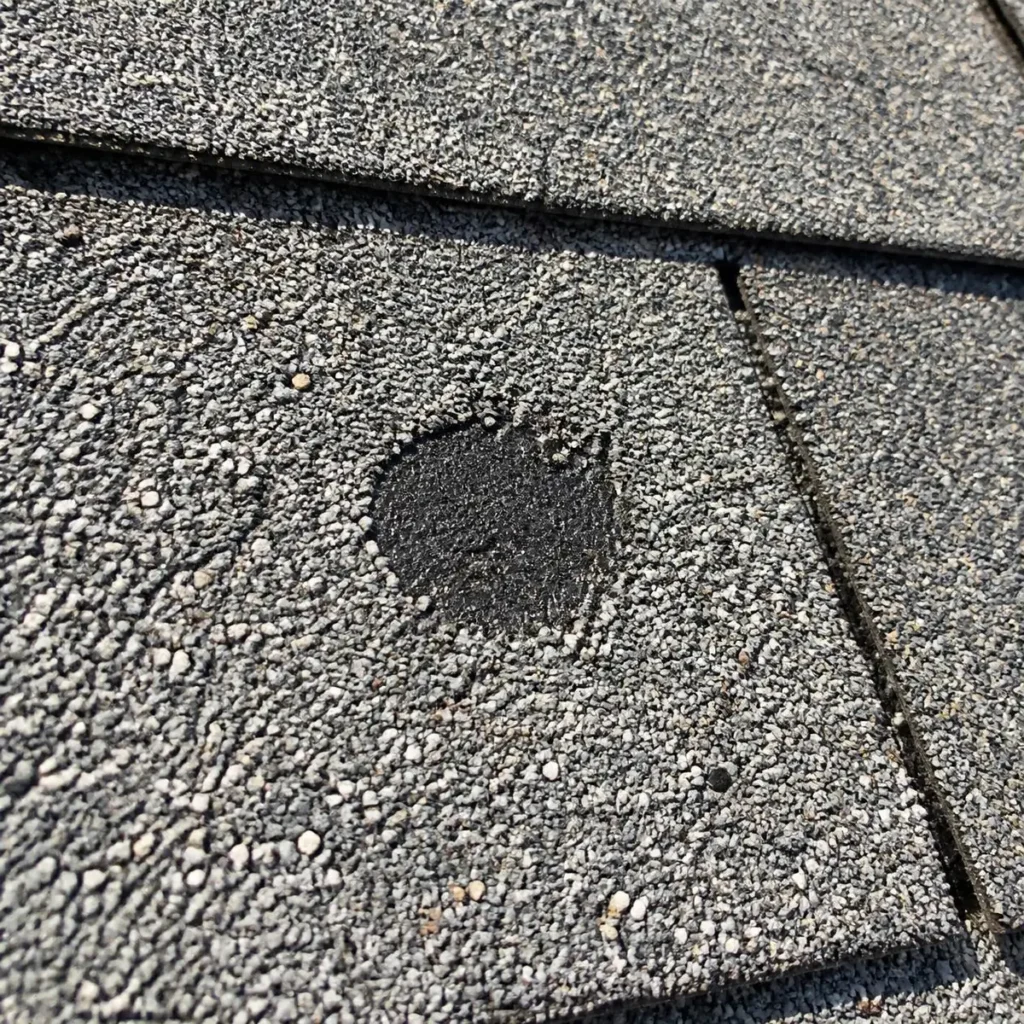
Close-up of hail bruising and granule loss on an asphalt shingle found during a roof inspection
Blog

Hail Damage Roof Inspection in Houston: What You’re Missing

A hail damage roof inspection usually gets ordered for one of two reasons: something started leaking, or the neighbor’s roof got torn off and replaced and now you’re standing in the driveway squinting at yours. Both of those are late. Hail that fell in April can sit up there doing quiet work for a year before a single drop shows up on your ceiling, and by then your carrier has a reasonable argument that whatever’s wrong came from something else. Houston’s hail season runs March through May. Some years it’s one twenty-minute window on a Tuesday afternoon that nobody remembers by Friday. The NWS Houston/Galveston storm data archive will tell you what actually passed over your zip code. Hail doesn’t dent a roof the way it dents a truck You know what hail does to a hood. Dimples. Obvious, right there in the parking lot at H-E-B. Asphalt shingles don’t work that way. A shingle is a fiberglass mat coated in asphalt with ceramic granules pressed into the top, and those granules are the sunscreen. They’re what keeps UV off the asphalt underneath. When a stone hits hard enough it knocks granules loose and fractures the mat below. Roofers call that a bruise. Press on it and it gives a little, like the soft spot on a banana. Nothing is punctured. Nothing is leaking. But the asphalt in that circle is now bare to a sun that does not let up, and somewhere in the next twelve to twenty-four months the bruise opens into a real hole. Roughly one-inch hail is where asphalt starts taking damage, though a ten-year-old roof off Long Point will bruise from stones a newer roof shrugs off. Wind angle matters more than people think. Hail coming in at 45 degrees hammers the slope facing the storm and leaves the other three basically clean, which is why an inspection that only looks at one side of the house tells you close to nothing. Metal panels dent, and the coating cracks along the dent, and that’s where rust starts. Tile cracks, and the crack hides under the overlap of the tile above it. A hail damage roof inspection has to account for all of that. Why you miss it from the driveway From the ground you’re looking at a roof edge-on at a bad angle through 25 feet of air. Granule loss reads as slightly darker shingle, which reads as shadow, which reads as nothing. Bruising is invisible from below, period — there’s no dimple to catch light. The clue most people do notice is granules in the gutters, sitting there like coarse black sand. That’s real, but it isn’t conclusive. Roofs shed granules slowly their whole life, and a hard rain washes a normal amount down. Climbing up isn’t the answer either. A wet composition roof at a 7/12 pitch is genuinely dangerous, and walking a hail-bruised roof can leave marks that look like impact damage, which is a headache you don’t want during an adjuster visit. That’s most of why a hail damage roof inspection moved to drones. We covered the tradeoffs in drone versus traditional roof inspections. What a hail damage roof inspection looks like from the air Here’s the actual sequence on a residential job. If the property sits in controlled airspace, and plenty of west Houston does between Bush, Hooks and Sugar Land Regional, we file for LAANC authorization. That clears in minutes, not days. Then we walk the perimeter and note the trees and power lines. The flight itself is two passes. A nadir grid first, straight down, high overlap, so the photos stitch into one orthomosaic of the roof plane with no perspective distortion. Then low, slow oblique orbits at maybe 15 to 25 feet above the deck, gimbal angled, shooting the individual slopes. That second pass is where damage shows up. At that range you can resolve a granule-loss circle the size of a quarter and tell whether the pattern is random, which reads as hail, or lined up along the fasteners, which reads as bad installation. Everything comes off the card geotagged and timestamped. That matters more than the pictures do, which I’ll get to. Most residential roofs take 20 to 35 minutes of flight time, and nobody sets foot on the shingles. That matters if you’ve ever had a “free inspection” guy up there with a chalk line. Rest of what we cover is under aerial inspections. Why a hail damage roof inspection matters to your adjuster Texas gives you a claim window, and carriers are strict about date of loss. The Texas Department of Insurance storm recovery guidance lays out how the process is supposed to run. Worth ten minutes before you call anybody. What documentation buys you is specificity. An adjuster who shows up eight weeks after the storm is looking at a roof that’s been rained on six more times. A dated set of high-resolution images from three days after the event, with GPS coordinates baked into the file, is a different kind of evidence than a phone photo taken from a ladder. It also helps on supplements. If the adjuster approves two slopes and you know all four took hits, having the imagery on the north and east elevations gives your roofer something to argue with instead of a memory. That’s not adversarial, it’s just how the process works when two people are looking at the same roof at different times. One thing worth being straight about. A hail damage roof inspection documents condition. It doesn’t write your estimate or adjust your claim. Your roofer and your carrier do that. Thermal won’t find the bruise, but it finds what comes next Infrared doesn’t see a fractured mat. Common misconception. What it sees is trapped moisture, because wet insulation and saturated decking shed heat differently than dry material, and that shows up on a cooling roof at dusk. So thermal is the follow-up tool, not the first one. If hail opened the roof last spring and water’s been getting in
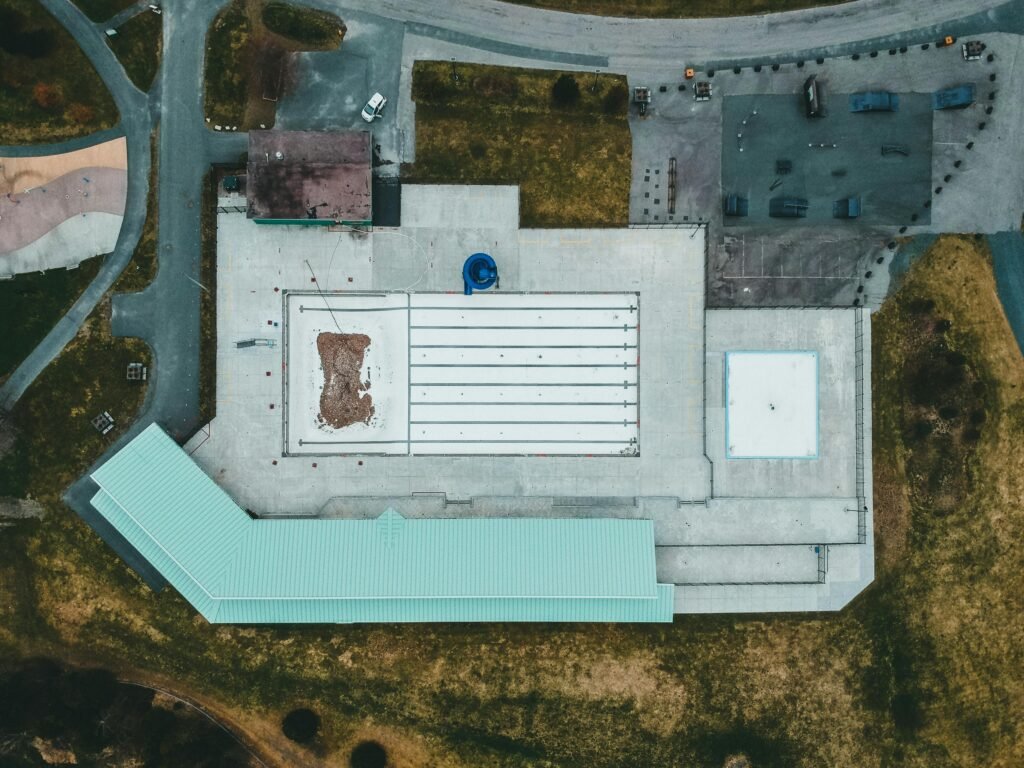
Roof leak detection drone inspection of a commercial flat roof in Houston
Blog

How Drone Thermal Imaging Finds Roof Leaks in Houston

A ceiling stain can show up 30 feet from where water actually entered the roof. In Houston, that gap between “where you see it” and “where it started” is exactly why drone thermal imaging has become a go-to method for modern roof leak detection. Instead of guessing based on stains and caulk lines, infrared thermography uses a thermal imaging camera to spot temperature patterns that often match trapped moisture below the roof surface. When it’s done right, it turns a frustrating leak hunt into a clear moisture mapping plan you can verify and repair with confidence. Why Roof Leaks Are Hard to Pinpoint in the Houston Area Leaks often travel through insulation, along the roof deck, or around framing before they show up inside. That means the interior stain may be far from the roof entry point, especially on large commercial roof systems. Houston’s high humidity and frequent storms can mask drying patterns and complicate diagnosis. Materials stay damp longer, and you lose the “obvious” clues that might show up in a drier climate. Low-slope commercial roofs can hide moisture under membranes and insulation for weeks. Wet insulation can spread sideways under a roof membrane, creating a bigger problem than the original opening. Walking the roof isn’t always safe or practical after storm events. Slippery surfaces, ponding water, loose edge metal, and storm-related damage create real safety risk reduction benefits when you can inspect from the air with reduced roof foot traffic. Common Houston Roof Conditions That Create “Invisible” Leaks Ponding water on flat roofs after heavy rain is common, especially where a roof drain is slow or a low spot has developed. That standing water can seep into tiny defects and keep feeding moisture into the assembly, making early roof leak detection more difficult. Wind-driven rain is another Houston classic, pushing water sideways around roof penetrations, parapet wall transitions, and edge metal. Even a well-built detail can leak when gusts force water where it normally would not go, which is why thermal imaging is often useful for accurate roof leak detection. Where Visual Inspections Usually Fall Short Moisture trapped below the surface can look normal from above. A roof coating may look intact while wet insulation underneath continues to spread. Small membrane breaches can be missed without a roof moisture detection method. If you are relying only on “looking for holes,” you are often one seam, scupper, or flashing detail away from missing the real issue. Thermal Imaging Basics: What the Camera Actually Detects Thermal cameras measure surface temperature differences, not “water” directly. A FLIR or similar thermal imaging camera reads infrared energy and translates it into a temperature map. Wet insulation and saturated materials change how a roof stores and releases heat. This is about thermal mass: water holds heat differently than dry insulation, so wet areas often warm up and cool down at a different rate. The goal is to identify thermal anomalies consistent with trapped moisture. A thermal anomaly is not a guarantee of a leak, but it is a strong clue when the shape and location make sense. Results improve when paired with roof knowledge and verification testing. A trained operator considers emissivity, reflective surfaces, solar loading, and the roof’s construction before calling something “wet.” Why Moisture Shows Up as a Thermal Anomaly Water’s thermal mass can keep wet areas warmer or cooler than dry areas depending on timing. After sunset, for example, wet zones may stay warmer longer because they release stored heat more slowly, which helps improve roof leak detection during thermal inspections. Thermal patterns often form “blooms” that help outline moisture migration. Instead of a neat circle, you might see irregular edges that follow insulation boards, slope lines, or pathways toward a drain, making thermal imaging useful for targeted roof leak detection. Thermography vs. Leak Source Confirmation Thermal imaging indicates likely wet zones; it does not prove the exact hole location. The entry point could be uphill from the wet zone, or at a seam that feeds water under the membrane. Pinpointing typically requires follow-up with moisture meters or core cuts. That ground truthing step is what turns a “suspect” area into a confirmed repair target. Step-by-Step: How a Drone Thermal Roof Leak Survey Works Plan the mission based on roof type, access, safety, and airspace. Good flight planning also considers controlled airspace around busy areas like Downtown Houston and major corridors near The Galleria. Capture thermal and visible imagery to correlate anomalies with roof features. Thermal shows the temperature differential, while RGB imagery from a visible spectrum camera shows seams, flashing, and physical damage. Process imagery into an orthomosaic or annotated map for decision-making. Many teams deliver a thermal orthomosaic plus an annotated roof map that marks anomalies, likely moisture paths, and recommended verification points. Validate findings with targeted ground truth checks before repairs. This reduces unnecessary tear-off and helps crews open the roof only where the data says it is worth checking. If you want to see what a dedicated aerial workflow looks like, these providers outline their process for drone-based roof inspection services in Houston with documentation options that fit commercial properties. Pre-Flight Planning and Site Readiness Confirm roof access points, hazards, and no-fly constraints near sensitive areas before beginning roof leak detection operations. Schools, hospitals, industrial sites, and some Energy Corridor locations may require extra coordination. Document recent weather and HVAC operation that may affect readings during roof leak detection surveys. HVAC exhaust, overnight run times, and fresh rain can all change what the roof looks like thermally. A professional operator should also comply with FAA Part 107 requirements when performing roof leak detection with drones. If someone cannot explain their credentials and safety plan, that is a red flag. Data Capture: Thermal + RGB for Context Thermal identifies suspect wet zones; RGB helps identify seams, drains, penetrations, and damage. Without RGB, it is harder to connect a thermal blob to a specific roof seam or roof penetration. Consistent altitude, image overlap, and flight lines improve mapping quality. If overlap is poor,

Scroll to Top