
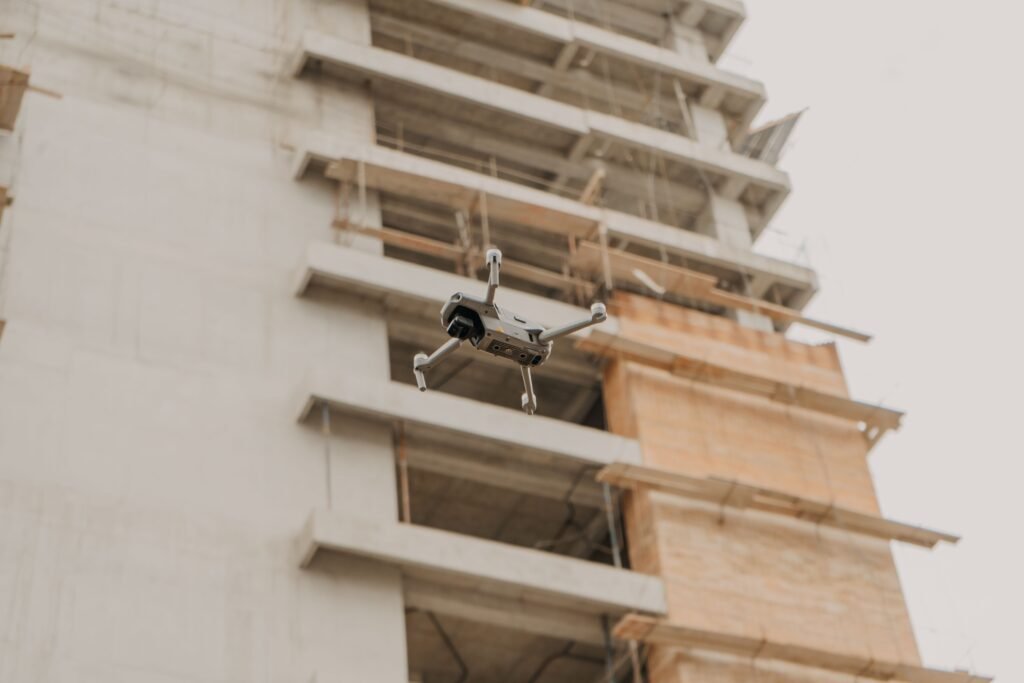
How Construction Companies Use Drone Progress Monitoring in Houston
Construction progress monitoring can prevent a small oversight on a 40-acre job site from turning into a week of schedule risk once concrete, steel, and trades stack on top of it. Many Houston builders now rely on drone construction monitoring instead of occasional site visits because recurring documentation keeps owners, lenders, and project teams aligned. As a result, stakeholders can review progress quickly and make informed decisions without constantly being on-site. Why Drone Progress Monitoring Matters on Houston Job Sites Houston projects move fast, sprawl wide, and involve distributed stakeholders who cannot all be on-site when decisions are made. Construction progress monitoring solves the visibility gap by creating remote site visibility that is consistent enough to trust in meetings, pay apps, and claims. Weather is a real driver here, not a footnote. Heavy rain events, sudden wind shifts, and storm cleanup create weather delays that are easy to argue about and hard to prove without timestamped documentation. Progress monitoring is more than aerial photos. The value comes from a shared visual record that is captured the same way over time, so teams can see what changed, when it changed, and what it affects. Owners and lenders want confidence without adding site visits. Subcontractors want clarity on access, laydown yard changes, and sequencing, especially when labor shortages force crews to rotate across multiple projects. What “Progress Monitoring” Means (Not Just Drone Photos) Progress monitoring means recurring drone flights that produce consistent, comparable deliverables over time. Instead of a one-off flight, you get timeline storytelling, measurement, and verification of completed work that supports decisions. A proper program shows what was installed, what is staged, and what is blocked. It also creates a defensible audit trail for change orders, delays, and scope disputes. What Data Drones Capture for Construction Progress Most Houston teams use a mix of visuals and mapping. The choice depends on whether the question is “what happened?” or “how much changed?” The baseline deliverables typically include nadir imagery (straight-down), oblique imagery (angled), site walkthrough videos, and panoramas from key vantage points. For construction progress monitoring that requires measurements, photogrammetry processing can produce an orthomosaic, a 3D model, and a point cloud. It can also generate DSM and DTM surface products for grading and drainage analysis when needed. These outputs support stockpile measurements, earthwork calculations, and site logistics tracking. Teams can monitor haul routes, crane pads, and material staging more effectively. They also support documentation for pay applications, change orders, and stakeholder updates. In addition, construction progress monitoring provides site-wide context and shows conditions on specific dates. Progress Deliverables Stakeholders Actually Use Weekly photo sets with matched camera angles are the workhorse deliverable. When the same views repeat every week, side-by-side comparisons become obvious, and the conversation shifts from opinions to evidence. Annotated maps are the next most-used tool. Pin-based issue tracking helps field-to-office collaboration by tying notes to locations, then pushing those notes into a progress report that owners and PMs can review quickly. When You Need Mapping vs. Just Visual Documentation Use mapping when the question is quantifiable. If you need quantities, distances, grading progress, or overlay analysis against design, an orthomosaic, point cloud, or 3D model is the right tool. Use visual-only packages when the goal is communication. Executive updates, marketing documentation, and general stakeholder reporting often need clarity and consistency more than survey-grade outputs. How Recurring Drone Flights Create a Reliable Visual Timeline Most Houston commercial and civil teams schedule weekly flights because they align with meeting cadence and improve change detection. In some cases, fast-moving industrial projects, shutdown windows, or major concrete cycles may require daily flights. Smaller projects, however, can often rely on milestone-based captures. For construction progress monitoring, consistency matters more than volume. A repeatable flight path, consistent altitude, matching camera angles, and similar lighting conditions make week-to-week changes easier to interpret. By contrast, one-off flights often create noise and limit meaningful comparisons. Standardized missions create reliable comparisons that support schedule discussions, verify percent completion, and reduce rework. In addition, simple standards help teams save time later. Use naming conventions, date-stamped folders, and version control to keep deliverables organized. As a result, teams can quickly locate the correct documentation during a claim, audit, or stakeholder review. Standardizing Flight Paths and Camera Angles Mission planning tools let pilots replicate routes and overlap settings, which improves alignment for photogrammetry and makes visuals comparable. This is where matched camera angles pay off, because stakeholders start recognizing the same “corners” of the project every week. Pick a handful of fixed “hero” viewpoints. These might include the main site entrance, a long-axis view over the building pad, and a high oblique angle that captures the laydown yard, access roads, and crane operations. Cadence Planning for Houston Weather and Site Access Plan for missed days. Building buffer weeks around storm seasons and high-wind days keeps the monitoring program consistent even when the calendar is not. Coordinate flights with the superintendent’s plan of the day. Avoid peak site traffic, active crane picks, and high-risk operations, and schedule around major pours so imagery shows clear pre-pour and post-pour conditions. Step-by-Step Workflow: From Flight to Progress Report A repeatable workflow turns drone data into actionable decisions. For construction progress monitoring, most teams follow four steps: pre-flight planning, data capture, processing, and publishing with a concise narrative. Pre-flight planning starts with clear objectives. First, define whether the deliverable will support visual documentation, mapping, construction inspections, or pay application verification. Then establish site boundaries and create a safety plan. Next, follow a documented mission plan during data capture. Use consistent camera settings and log site conditions for every flight. When measurement accuracy is important, deploy ground control points to support mapping and overlay analysis. After capture, processing converts raw imagery into usable deliverables. This step includes image stitching, map generation, 3D model creation, and quality control reviews. As a result, deliverables remain consistent from one reporting period to the next. Finally, publishing determines whether stakeholders actually use the information. Share deliverables through cloud collaboration